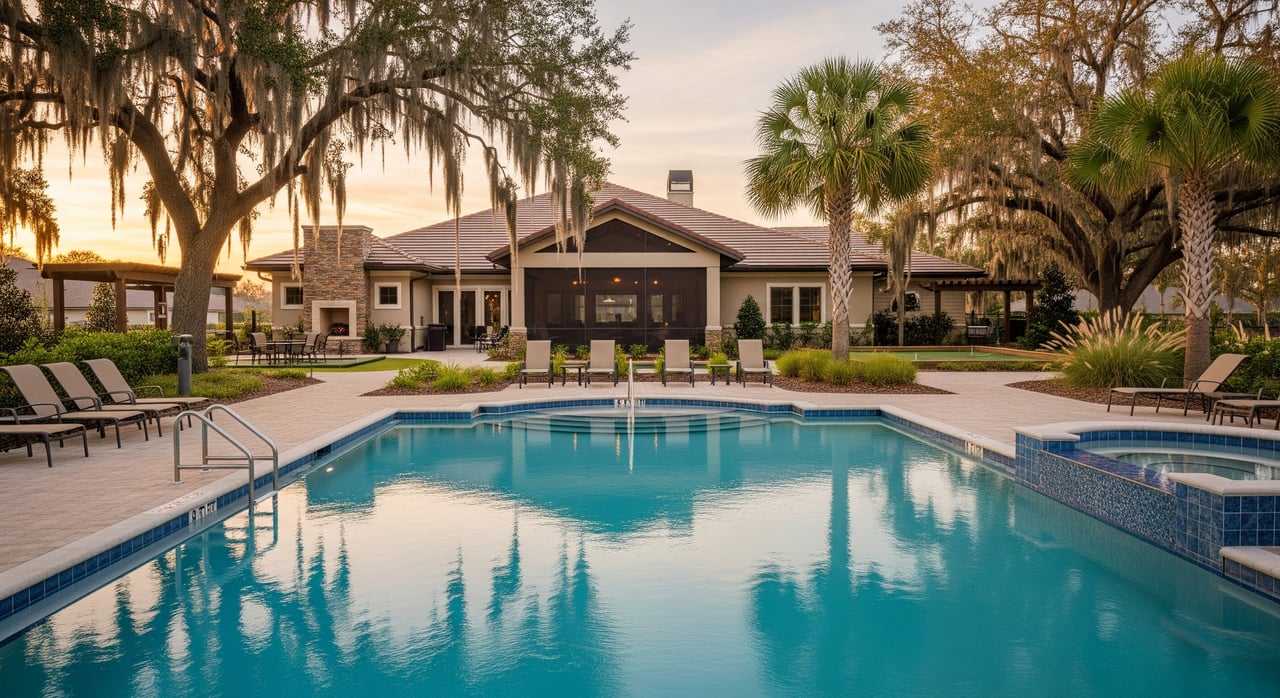
Thinking about a 55+ community in Gainesville but not sure which amenities truly add value to your daily life and budget? You have a lot of great choices, from quiet villa neighborhoods to full-service campuses with dining and transportation. The key is matching amenities to your lifestyle, health needs, and monthly costs. In this guide, you’ll learn how to compare amenity packages, evaluate HOA fees, weigh location tradeoffs, and ask the right questions before you buy. Let’s dive in.
Why Gainesville fits 55+ living
Gainesville gives you a rare mix of urban convenience, suburban calm, and nearby green space. You can choose homes close to services or enjoy quieter pockets just a short drive away. That flexibility is helpful if you want peace and privacy now, with access to more services later.
Healthcare access stands out. Gainesville is home to a major academic medical center affiliated with the University of Florida, offering a wide range of specialties, emergency care, and outpatient clinics. If you want quick access to specialists or plan for changing health needs, proximity to care can be a deciding factor.
Mobility is another plus. Gainesville Regional Transit System provides local bus routes and paratransit services for qualifying riders. Depending on where you live, you can balance car use with transit and community shuttles. Parks, regional trails, and nature preserves round out the lifestyle, supporting daily walks, cycling, and low-cost outdoor recreation.
Know your 55+ community types
Different community models deliver different experiences and costs. Clarify which type you are considering before you compare amenities.
Age-restricted 55+ active adult
These communities are designed for independent retirees and typically feature single-family homes, villas, or condos. Expect social programming and recreation options. Under federal law, many 55+ communities follow the Housing for Older Persons Act, which commonly requires at least 80% of units to have one occupant aged 55 or older.
Age-targeted neighborhoods
These are marketed to older adults but are not legally age-restricted. You may see many of the same amenities, but the resident mix can be broader, which may affect social programming and resale dynamics.
Independent living buildings
Often in more urban settings, these buildings may include meal plans, housekeeping, and transportation. They reduce home maintenance at the unit level and typically centralize amenities under one roof.
Life plan or CCRC campuses
Continuing Care Retirement Communities offer a continuum from independent living to assisted living and skilled nursing. You pay more for the on-site care options and the convenience of staying on one campus as needs change.
Condos and HOAs not 55+
Some communities are not age-restricted but appeal to older adults for their layouts and services. Rules and resale conditions vary, so review documents closely.
Amenities that matter most
Amenity lists can be long. Focus on the ones you will use weekly, and understand how each can influence costs and daily life.
Clubhouse and social life
A clubhouse or community center is the hub for events, clubs, and classes. Staffed programming often means a fuller calendar and easier connections with neighbors. It can also increase operating costs, which show up in dues.
Fitness, pools, and classes
Look for equipment variety, class schedules, and pool type. Lap pools support regular exercise, while leisure pools support relaxation and social time. Group classes such as yoga, strength training, and water aerobics are popular and help you stay consistent.
Pickleball and court sports
Pickleball has grown quickly among older adults and can deliver a strong social scene. Courts require space, scheduling systems, and maintenance. If you plan to play often, this can be a high-value amenity.
Trails and green space
Connected walking loops and trails support daily activity without needing a car. They also tend to be lower-cost amenities to maintain compared to staffed facilities.
On-site dining and transportation
Dining options or a café can make socializing and daily routines easier. Community shuttles to shopping or medical appointments reduce reliance on driving and support independence if your mobility changes.
Maintenance and security
Exterior maintenance, landscaping, irrigation, and pest control reduce chores and help homes look consistent. Gated entries or security patrols can add peace of mind but may raise fees.
Accessible home design
Single-floor living, zero-step entries, wider doorways, and accessible bathrooms help you age in place. In multi-story buildings, confirm elevator access and reliability.
Program calendar and clubs
A strong events calendar can make your social life effortless. Ask for a recent monthly calendar and note staff support, not just available rooms.
How amenities affect monthly costs
Amenities are a major driver of HOA or maintenance fees. Match your must-haves to your budget so you do not pay for features you will rarely use.
- Number and scope of amenities: Pools, fitness centers, and dining require staffing and upkeep. More amenities typically mean higher dues.
- Staffing levels: On-site managers, activity coordinators, and security add service and cost.
- Included services: Dues may include exterior maintenance, landscaping, irrigation, pest control, cable, or water. Verify the list.
- Property size: More common area means more landscaping, cleaning, and repairs.
- Insurance and local costs: In Florida, community insurance and windstorm coverage can increase premiums and assessments. Review policies and claims history.
What to review before you compare two communities:
- The current operating budget and a clear breakdown of what dues include
- The most recent reserve study for big items like roofs, paving, and pool resurfacing
- The history of special assessments and any planned projects
- Staff roles and vendor contracts that affect service levels
Location tradeoffs in Gainesville
Where you live within Alachua County will shape your day-to-day routine as much as the amenities inside the gate.
Healthcare proximity
Being close to a major medical center and clinics can save time when you need specialists or urgent care. If you choose a quieter suburban location, ask about community shuttles and typical drive times during peak hours.
Shopping and errands access
Short drives to groceries, pharmacies, and banking simplify errands. Central locations make quick trips easy, while rural settings offer more space and quiet at the cost of longer drives.
Social energy vs privacy
Larger communities with robust amenities create more chances to meet people and join clubs. Smaller communities provide calm and lower fees, but you may rely on off-site activities for social life.
Transit and walkability
If you expect to drive less over time, look for shuttles, accessible public transit routes, and good sidewalk networks. Evaluate crosswalks and lighting around regular walking routes.
Weather and preparedness
Florida’s climate avoids snow concerns but requires storm readiness. Ask for the community’s emergency plan, hurricane protocols, drainage maintenance, and past storm assessments.
A simple decision framework
Use this checklist to narrow your shortlist and stay focused on what matters to you.
- Confirm the community’s legal status: age-restricted under HOPA or age-targeted.
- Review core documents: declaration/CC&Rs, bylaws, rules, budget, reserve study, insurance, meeting minutes, and any litigation disclosures.
- Map drive times to the nearest hospital and clinics, plus key errands like grocery and pharmacy.
- Check transit and paratransit access and whether the community offers shuttles.
- Inspect home accessibility: single-floor layouts, zero-step entries, and options for future modifications.
- Ask about vendor contracts, on-site management, and program staffing levels.
- Verify pet, guest, and rental rules for your lifestyle and plans.
- Request a sample events calendar and a recent monthly statement to see real costs.
Smart questions to ask on tours
Bring this list to every showing so you can compare apples to apples.
- What type of community is this, and how is the age policy verified?
- Exactly what do HOA or condo fees include, and what is my responsibility?
- Are there recent or planned special assessments? For what projects?
- What is the current reserve balance and the date of the most recent reserve study?
- How is transportation handled for shopping and medical visits?
- What is covered under exterior maintenance, landscaping, and pest control?
- How active is the social calendar, and who runs programming?
- What are the rental and resale rules, transfer fees, and any waiting periods?
- How is the community preparing for hurricane season and emergencies?
What to review before you sign
Ask the association or sales office for copies of these items and take time to review them.
- CC&Rs, bylaws, declaration, and community rules
- Current operating budget and the past two years of financials
- Most recent reserve study
- Board meeting minutes for the past 6 to 12 months
- Master insurance certificates and claim history
- Any disclosures about pending or past litigation
- Age verification policy and procedures
- Fee schedule with a line-by-line list of what dues include
- Sample contracts for on-site services like dining, transportation, and fitness
How we help you compare options
You deserve a smooth, confident transition into your next chapter. With deep local knowledge of Gainesville, Alachua County, and nearby retirement corridors, you get clear guidance on neighborhoods, amenity tradeoffs, HOA health, and proximity to care and daily needs. If you are searching from out of the area, virtual tours and video walk-throughs make it easy to compare homes and community features from anywhere.
Whether you want a lively social scene with pickleball and classes, or a low-maintenance villa close to clinics and shopping, we help you pinpoint the right fit and negotiate with clarity. Ready to explore your options? Reach out to KC Harder to start your Gainesville 55+ search with a local, client-first team.
FAQs
What makes a community legally 55+ under HOPA?
- Communities commonly meet an occupancy standard where at least 80% of units have one occupant aged 55 or older, along with published policies and verification procedures.
How do amenities impact HOA fees in Gainesville 55+ communities?
- Pools, fitness centers, dining, security, and staffed programming increase operating costs, while trails and green space tend to be lower cost to maintain.
Is Gainesville a good choice for healthcare access in retirement?
- Yes, the presence of a major academic medical center and countywide clinics offers broad access to specialists, emergency care, and outpatient services.
What should I consider if I plan to drive less over time?
- Prioritize communities with shuttles, access to local bus and paratransit services, and nearby shopping corridors with good sidewalks and safe crossings.
How do Florida HOA and condo laws affect my purchase?
- Florida statutes set rules for budgets, reserves, meetings, and disclosures, so review association documents carefully and understand what dues include and exclude.
Are pickleball courts a smart amenity to prioritize?
- If you plan to play, they add strong social and fitness value, and the sport’s popularity among older adults makes courts a high-utility feature for many buyers.