Thinking about a move to North Central Florida and wondering if Alachua County fits your lifestyle and budget? You are not alone. Relocating is a big decision, and the details can feel overwhelming if you are not here on the ground. In this guide, you will get a clear picture of how different parts of the county live, what housing looks like, commute and travel basics, and a practical checklist to evaluate homes with confidence. Let’s dive in.
Alachua County at a glance
Gainesville is the county seat and the cultural and economic hub. The University of Florida and UF Health shape much of daily life, from jobs and healthcare access to arts, events, and sports. Outside Gainesville, you will find small cities and rural communities with a different pace.
The economy leans on education, healthcare, public sector and service roles, with a growing tech and innovation scene tied to UF research. The landscape mixes urban neighborhoods, suburbs, small towns, and large rural tracts with parks, trails, and north Florida spring systems.
Match your lifestyle to the right area
Gainesville
- Feel: College-town energy with arts, music, sports, and a busy restaurant scene.
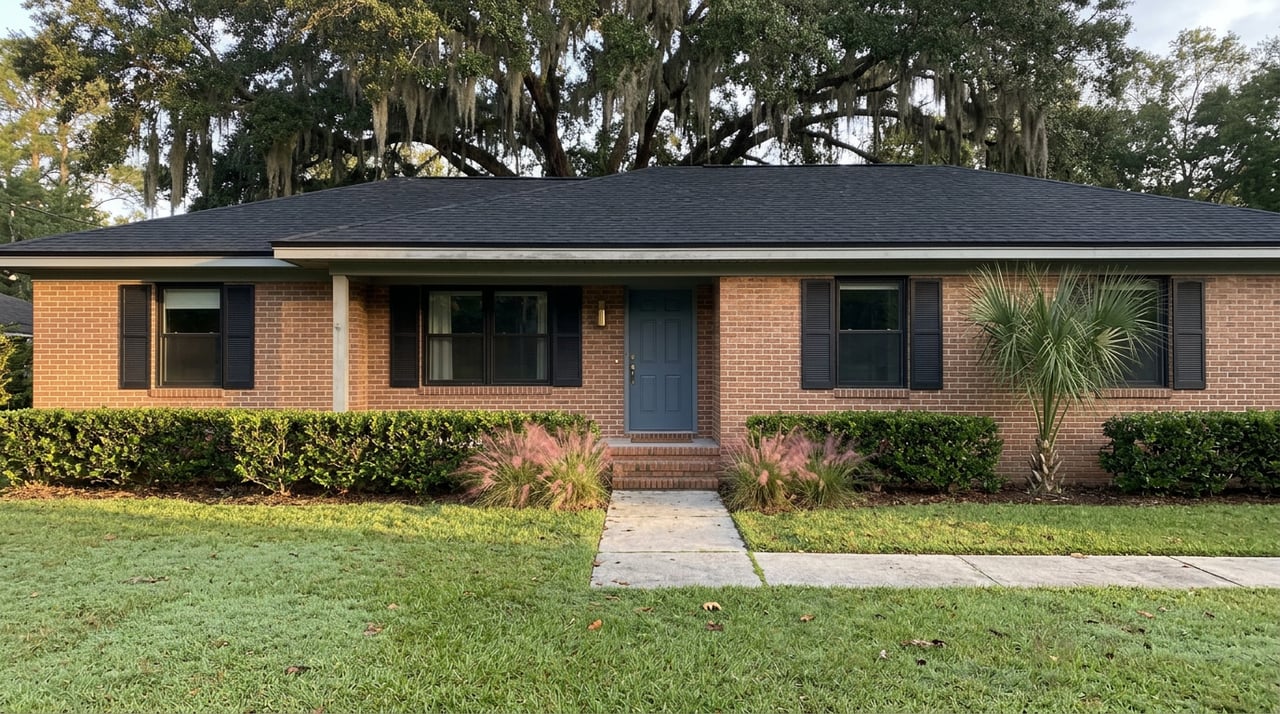
- Housing: Downtown condos and apartments, older bungalows and craftsman homes, mid-century neighborhoods, and planned communities. Areas near campus have more rentals and seasonal turnover.
- Tradeoffs: You get vibrant amenities and shorter commutes to UF. Some pockets near campus can be noisier and see more frequent moves.
City of Alachua
- Feel: Quieter small-city vibe with convenient access to I-75 and the county’s northern corridors.
- Housing: Suburban single-family homes and newer subdivisions that tend to be more owner-occupied.
- Tradeoffs: A residential pace with quick highway access, and a simpler, small-town feel than the urban core.
Newberry
- Feel: West of Gainesville, transitioning from agricultural roots to more residential development.
- Housing: Mix of older homes, newer subdivisions, and properties with larger lots, often at approachable price points.
- Tradeoffs: More space and value, with moderate commutes into Gainesville.
High Springs
- Feel: Small historic town near spring and river recreation, with a rural and outdoorsy character.
- Housing: Older cottages, small subdivisions, and acreage. Septic and well systems are common.
- Tradeoffs: Privacy and access to natural amenities, with a longer but workable commute to Gainesville.
Micanopy, Archer, Hawthorne and nearby towns
- Feel: Historic, quiet, and community-oriented.
- Housing: Historic homes, rural properties, and agricultural acreage.
- Tradeoffs: Limited commercial services and longer drives for many amenities, balanced by a slower pace and small-town charm.
Housing options and costs
You will see a wide range of property types. In Gainesville’s core, there are condos and apartments alongside older single-family homes and historic districts. In suburbs and small cities, you will find newer subdivisions with modest lots. Rural areas offer larger parcels, mobile homes, and more well and septic systems.
A strong student rental market near the university influences pricing, turnover, and investor interest in certain neighborhoods. Entry-level single-family homes and smaller condos can be competitive. Prices vary by area and property type, so check recent local market snapshots for the latest median prices and inventory by subarea.
Commute, transit and travel
Local commutes into Gainesville are often short to moderate, commonly within a 10 to 40 minute range depending on the route and traffic. Peak times near campus and main corridors can add time. I-75 runs along the county’s west side and gives reliable north-south access.
Gainesville’s Regional Transit System operates bus service within the city. Passenger rail is not a local commuting option. Gainesville Regional Airport offers commercial flights to select hubs. For more connections, many travelers use larger airports such as Orlando or Jacksonville, which require a longer drive.
Everyday living and amenities
The University of Florida anchors cultural life with museums, performing arts, and college sports. Downtown Gainesville has restaurants, breweries, and a lively arts scene. UF Health provides major hospital and specialty care.
For education, Alachua County Public Schools operate the public K-12 system. School quality varies by neighborhood. If schools are important to your decision, review current boundary maps and state performance reports for specific schools.
Outdoor lovers find parks and preserves across the county, including San Felasco Hammock Preserve State Park and Paynes Prairie Preserve. The region is known for its springs and rivers, with options for paddling, hiking, and wildlife viewing. The climate is humid subtropical, with hot summers and mild winters. Inland locations reduce storm surge risk, but wind and heavy rain from storms are still possible.
Ownership details to know
- Property taxes: Taxes are assessed at the county level. Review parcel-specific history and current assessments through the Alachua County Property Appraiser and research homestead exemption benefits if you plan to make a home your primary residence.
- Insurance: Even though the county is inland, get early quotes for homeowners insurance, wind and hail coverage, and flood insurance where applicable. Flood insurance is required for properties in FEMA-designated flood zones.
- HOA rules: Many newer subdivisions have HOAs with fees and architectural guidelines. Request HOA documents and covenants early to confirm rules and budget impacts.
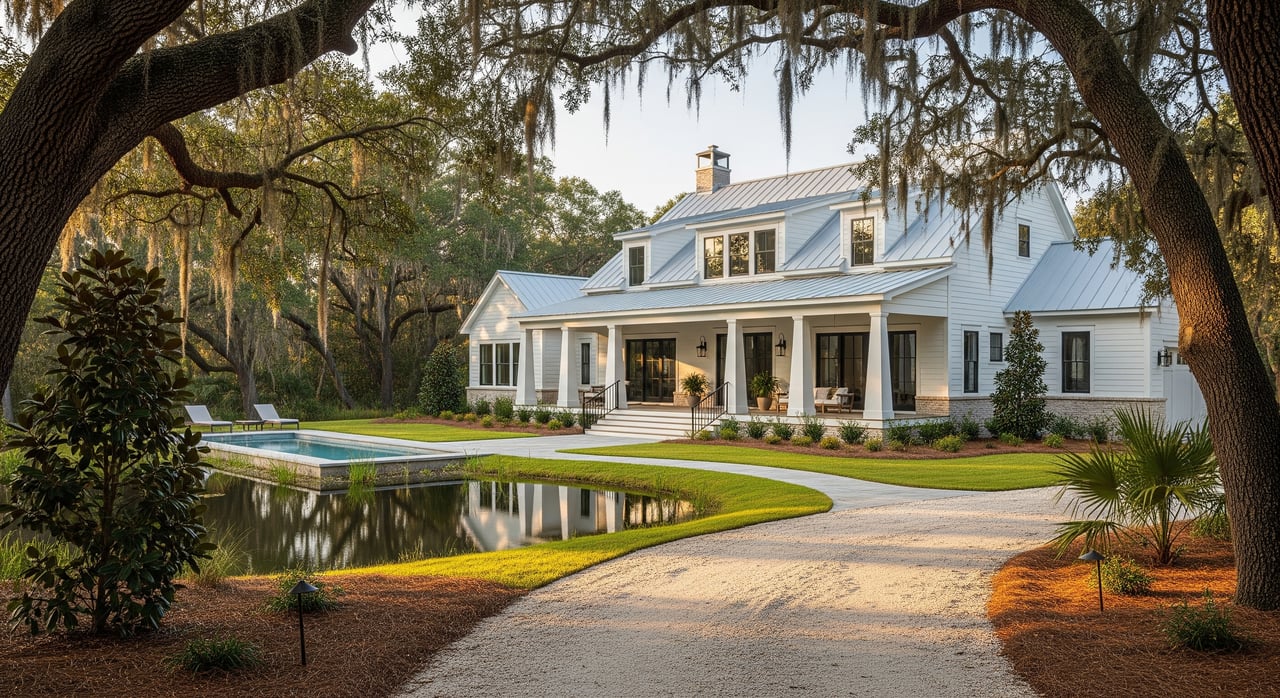
- Rural systems: If you are considering acreage or country homes, plan for well and septic inspections, and ask about setbacks, zoning, and possible conservation or agricultural easements. Surveys and land-use checks are important.
Plan your scouting trip
To get a true feel, visit under different conditions. If you can, experience a weekday during business hours, an evening or weekend, and a time when the university is in session.
Use this quick checklist:
- Drive your likely commute during peak and off-peak times.
- Walk the neighborhood to note lighting, traffic, noise, and general upkeep.
- Tour a mix of homes, including older infill, new construction, and rural options, to compare maintenance and utilities.
- Pull parcel details and tax history, and confirm any special assessments.
- Check FEMA flood maps for each property and ask about local drainage.
- Request HOA documents, budgets, and rules for planned communities.
- Ask your insurer for preliminary homeowners, wind, and flood quotes before you write an offer.
- Verify zoning, allowed uses, and planned projects with local planning offices.
- Review recent comparable sales, days on market, and inventory for your target subarea.
Is Alachua County a fit for you?
If you want college-town energy, quick access to healthcare, and a steady calendar of arts and events, Gainesville delivers. If you prefer suburban comfort and value, the City of Alachua or Newberry could be a better match. If you are drawn to springs, trails, and elbow room, High Springs and nearby small towns offer that outdoor feel with manageable commutes.
You deserve a move that feels informed and low-stress. If you want help narrowing neighborhoods, arranging virtual tours, or understanding taxes, insurance, and HOA rules for a specific home, connect with KC Harder for local guidance tailored to your goals.
FAQs
What is daily life like near UF in Gainesville?
- Expect a lively calendar with arts, museums, restaurants, and college sports tied to the University of Florida, plus short commutes to major employers and healthcare.
How long are typical commutes from nearby towns?
- Many drives into Gainesville fall within 10 to 40 minutes depending on the subarea, route, and traffic, with more delays during peak hours and campus events.
How do property taxes work in Alachua County?
- Taxes are set at the county level and vary by parcel; review assessed values, tax history, and potential homestead exemption benefits before you finalize a purchase.
Do I need flood insurance if I am inland?
- Flood insurance is required for properties in FEMA flood zones, and inland flooding or drainage can still matter, so verify each property’s flood status and get quotes early.
What should I know about HOAs and rural systems?
- Newer subdivisions often have HOAs with fees and design rules, while rural homes may have well and septic systems and possible easements; request documents and inspections early.