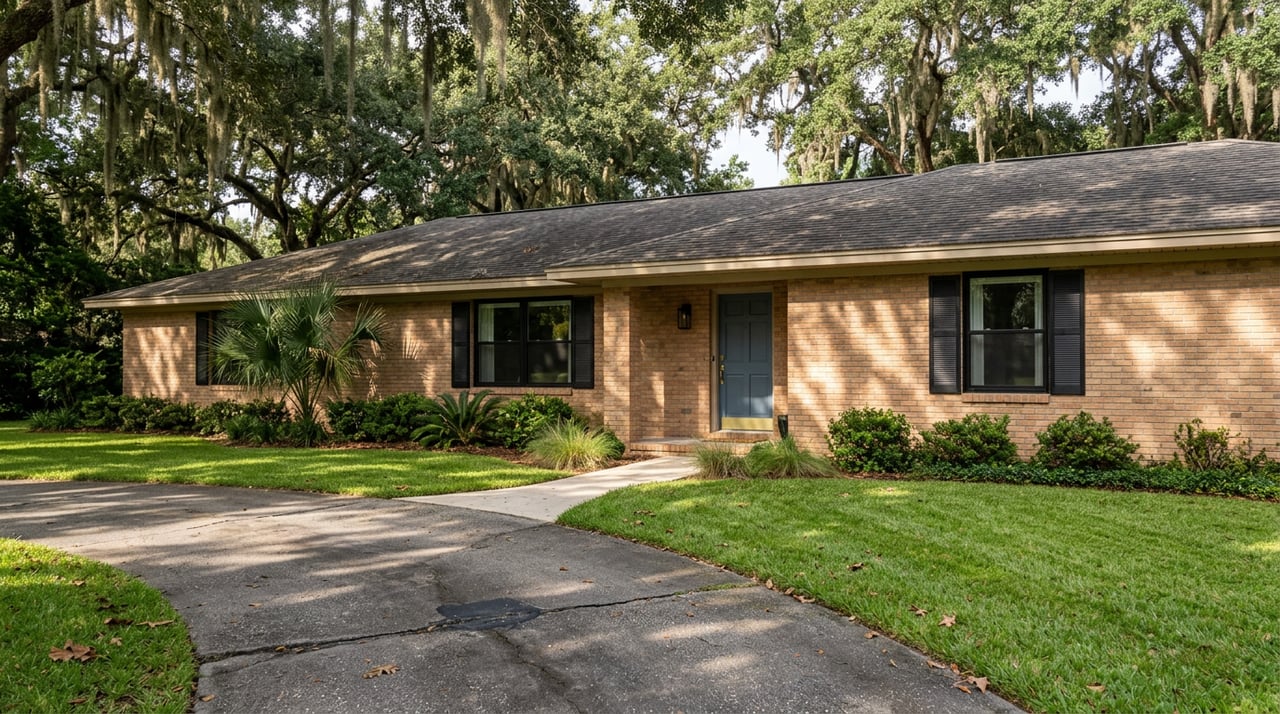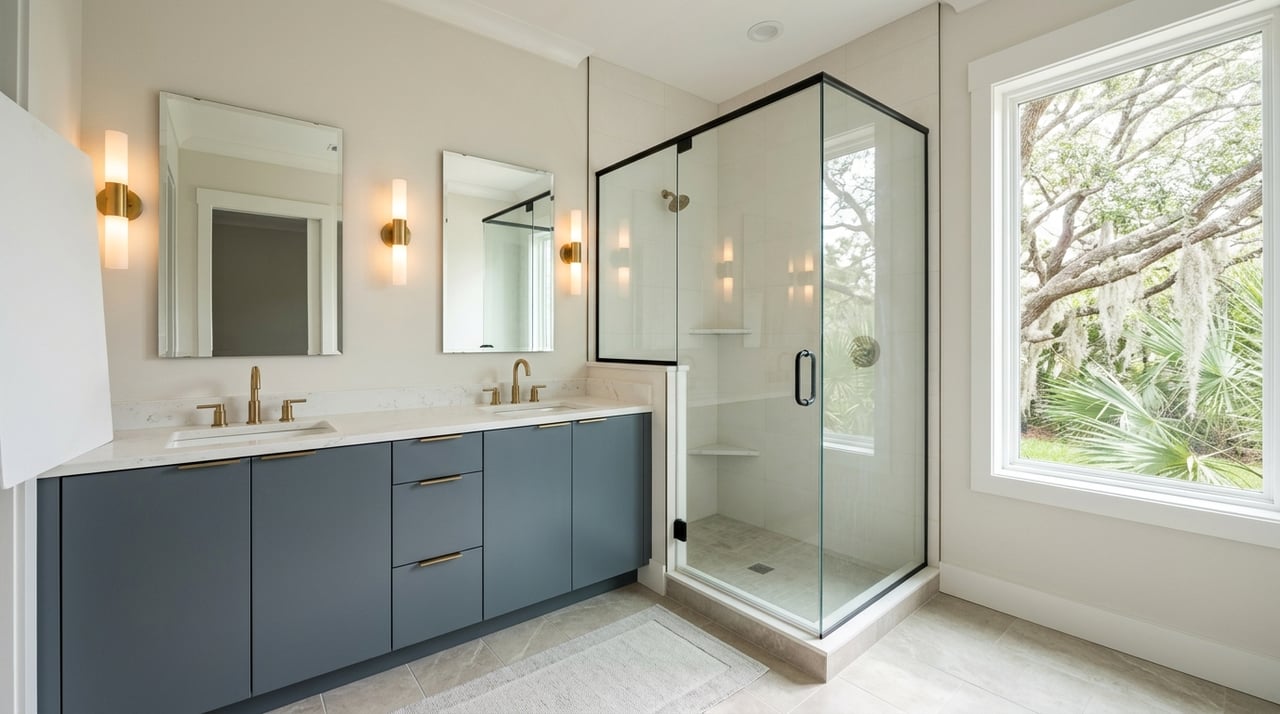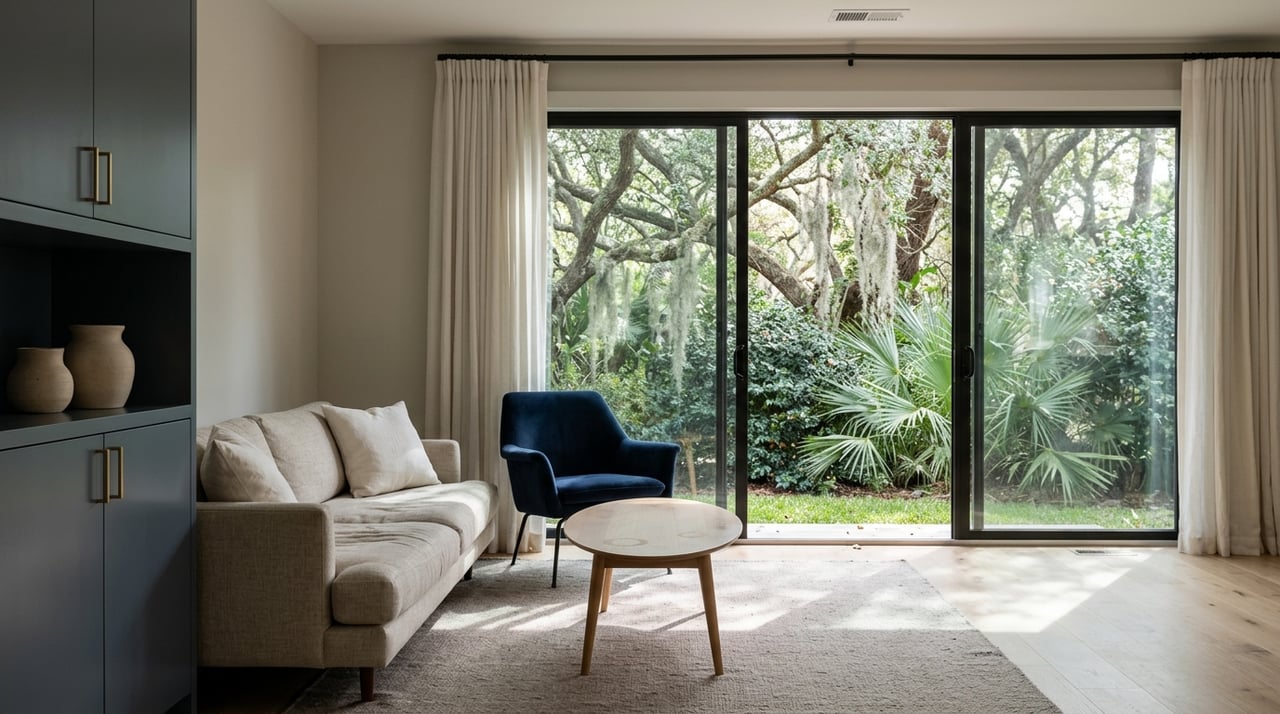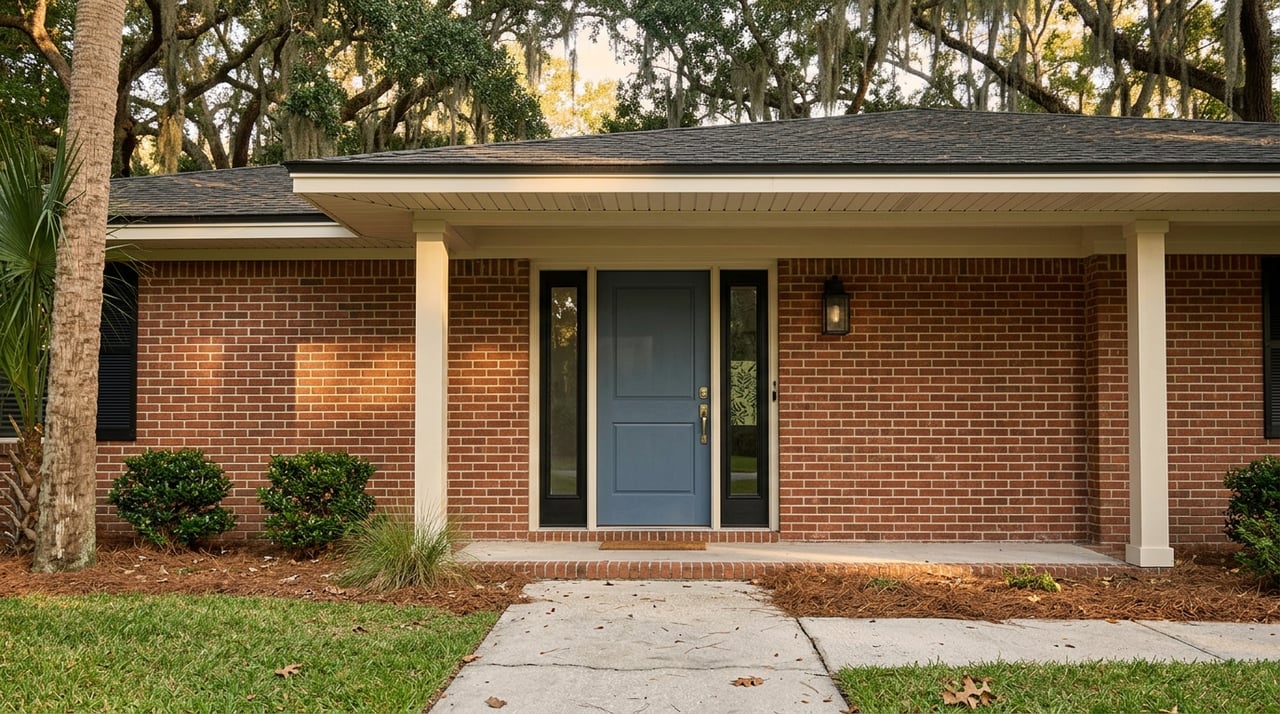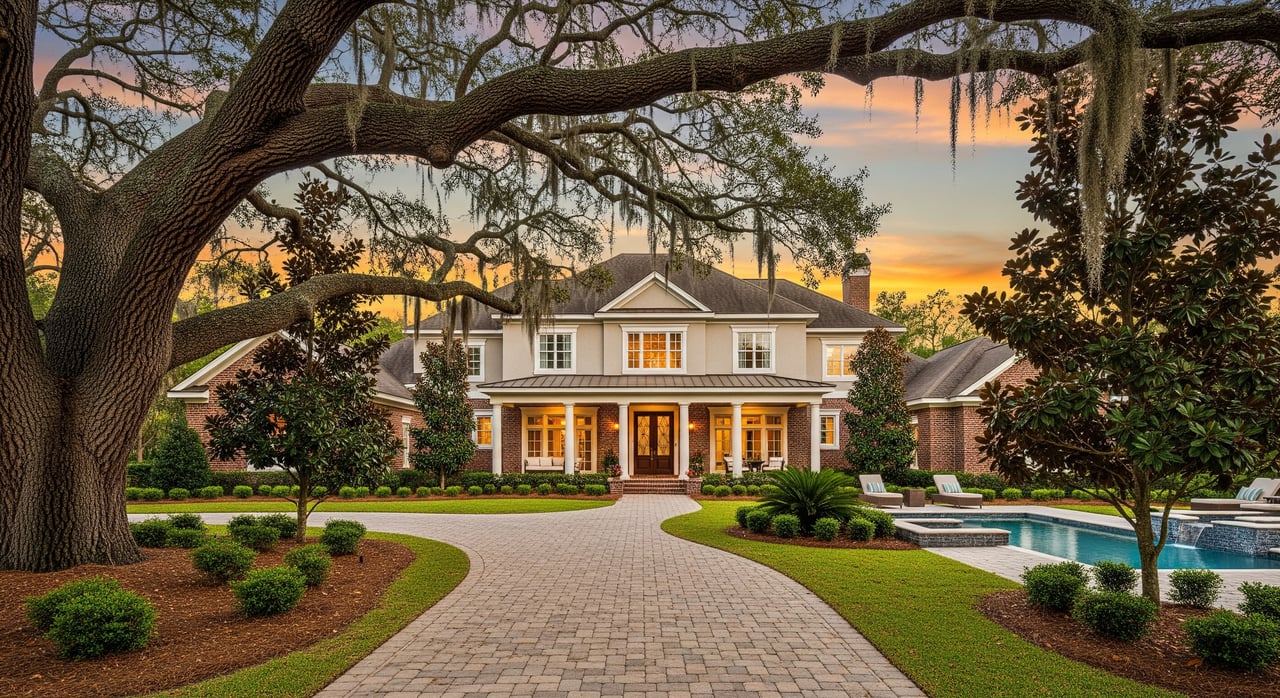
Curious what your Northwest Estates home would sell for today? Pricing in this pocket of Alachua can feel confusing because small differences in lot, utilities, and updates shift value more than you might expect. In this guide, you’ll see how micro-market factors in Northwest Estates shape price, how timing affects days on market, and the clear, data-backed method we use to deliver an accurate valuation. Let’s dive in.
Why micro-markets matter
A micro-market is a tight cluster of homes that share key traits like subdivision, lot size, build era, utilities, and proximity to major roads and services. Northwest Estates functions as its own micro-market inside Alachua County. Confirming subdivision boundaries and property details through county records helps prevent apples-to-oranges comparisons.
Local context matters. Commute access to Gainesville and the University of Florida, I-75 and US-441 routes, and nearby services influence buyer demand and acceptable price ranges. New construction and inventory in surrounding areas like Gainesville, Alachua, and High Springs also shape what buyers consider as alternatives. Utility type, zoning, and any HOA rules can expand or shrink the buyer pool and impact price.
When we price your home, we verify parcel details, lot boundaries, build data, utilities, and any flood considerations using county and federal resources. Then we narrow comps to the smallest meaningful area so the numbers reflect your specific corner of Northwest Estates.
Lot factors that move price
In Northwest Estates, lot attributes often explain value gaps between otherwise similar houses. We look closely at the following and adjust with care.
Lot size and usability
Bigger lots can command a premium, but only if the extra space is usable. Cleared, buildable, and functional areas add more value than land constrained by setbacks, easements, wetlands, or dense growth. We compare sales with similar lot sizes and usability and apply a measured per-square-foot or per-acre adjustment when needed.
Shape, setbacks, and buildable area
Irregular shapes, tight setbacks, or easements can limit additions or outdoor living. These constraints reduce flexibility and usually soften buyer willingness to pay. We document how a lot’s buildable envelope compares to nearby sales before we adjust.
Flood zones and drainage
Flood designations and drainage influence insurability, ongoing costs, and buyer confidence. Homes in higher-risk zones often sell for less and may require flood insurance. We align comps by flood status when possible and explain any adjustment range when exact matches are scarce.
Utilities: sewer vs septic
Access to municipal water and sewer typically broadens appeal. Septic systems involve maintenance, replacement cost, and permitting considerations, which can reduce buyer willingness to pay. We estimate a septic-related adjustment using recent local sales and practical cost inputs when comparable data is limited.
Road frontage and privacy
Cul-de-sac locations, corner lots, or higher privacy can change perceived value. Some buyers prize reduced traffic and quiet, while others prefer easier in-and-out access. We prioritize comps that mirror your lot’s access and privacy mix.
HOA influences
If HOA rules or fees apply, they can cut both ways. Well-maintained common areas can support value, while restrictions or fees may limit the buyer base. We note how HOA conditions matched similar sales and reflect that in pricing.
Renovation premiums buyers pay
Renovation status can move your home into a different price band. In suburban Alachua-area micro-markets, buyers commonly pay more for:
- Updated kitchens and primary baths with durable finishes and open feel.
- Move-in ready systems: roof near or under 10 years, HVAC 10 to 15 years or newer, newer water heater, and updated electrical panel.
- Energy-efficient improvements like double-pane windows and efficient HVAC, which matter in Florida’s climate.
- Cosmetic freshness: neutral paint, newer flooring, and staged, clutter-free rooms.
- Outdoor living: screened porches, patios, shade, and level usable lawn.
- Functional layouts with the bed and bath mix that fits local norms.
Right-size your updates
Not every project returns its cost. Cosmetic refreshes tend to accelerate showings and strengthen offers. Full gut renovations or additions can justify higher pricing only if the neighborhood’s top sale prices support the jump. We use two practical methods when adjusting for condition:
- Comparable-based: Match your home to recent sales with a similar update level and adjust line by line.
- Cost-to-complete with market cap: If work is needed, estimate realistic improvement costs and subtract from the expected value of a fully updated comparable set. We blend contractor inputs with market data to keep estimates grounded.
Timing, DOM, and pricing strategy
Florida buyer activity often rises in late winter through spring, though demand can be steadier than in northern markets. School calendars and university cycles can shape certain buyer groups, and job changes near Gainesville can also shift timing.
We study days on market, list-to-sale ratios, active-to-pending counts, and price trends using 6 to 12 months of subdivision-level sales. Because micro-markets can have few sales, we may use a rolling 12-month window or carefully include an adjacent comparable subdivision to stabilize the numbers. The goal is a real-world expectation for how long it will take to sell at different price points.
Three pricing strategies
- Aggressive or market-lead: List slightly under the best recent comps to draw multiple offers. Works when speed matters and you want competition to drive price. Expect shorter DOM when priced and presented well.
- Neutral or comparable: Price at fair market based on the tightest comp set. Balances speed with maximizing net. Expect a typical neighborhood DOM with fewer price changes.
- Aspirational or premium: List above comps only when you offer rare features like standout acreage, custom updates, or special lots. Expect longer DOM, and plan a measured reduction cadence if the market does not respond within 30 to 60 days.
Our valuation method for Northwest Estates
A strong valuation is transparent and replicable. Here is how we price your home.
Step 1: Confirm property identity
We verify legal address, parcel ID, lot size, subdivision status, zoning, and utilities through county sources. We also check flood maps and any HOA details that may affect marketability.
Step 2: Find true comparables
We pull 6 to 12 months of the closest matches in Northwest Estates and, if necessary, the most similar adjacent micro-markets. We prioritize bed and bath count, square footage, lot attributes, build era, and renovation level. Closed sales drive value, while active and pending listings provide context.
Step 3: Adjust for differences
We make line-item adjustments for square footage, lot size and usability, flood status, utility type, bed and bath count, major system ages, and renovation level. If repairs are needed, we obtain realistic cost estimates and reflect those in the pricing range.
Step 4: Present pricing scenarios
You receive three scenarios with expected offer dynamics and timelines:
- Conservative: Faster market match, strong chance of early activity.
- Market: Fair value aligned with the most credible comps.
- Aggressive: For rare features with marketing lead time and higher DOM risk.
We pair these with recent subdivision metrics like DOM and list-to-sale percentages and note any small-sample uncertainty.
Step 5: Deliver supporting documents
You receive a concise CMA that shows each comp’s photos, sale price, lot size, price per square foot, and key differences. We include a flood status note and a prioritized list of pre-list updates that can improve marketability. This valuation is an estimate for marketing decisions and not a formal appraisal.
Desktop vs on-site options
A desktop valuation is a fast first look. An on-site visit improves accuracy for condition, layout, and lot nuances. Many sellers start with a desktop estimate, then schedule a short walk-through to fine-tune the number.
What to have ready
These items speed your valuation and later due diligence:
- Recent property tax bill and parcel ID.
- Septic inspection or service records, if applicable.
- HOA documents and fee information, if applicable.
- Permits and receipts for renovations or major systems.
- Recent utility bills that show typical usage and service type.
Set your sale up for success
The right price is only part of the result. Presentation and marketing matter. We help you prioritize quick wins like paint, flooring touch-ups, and yard clean-up, then showcase your home with modern media, virtual tours, and responsive listing coverage. This approach reaches local buyers and remote movers connected to Gainesville and UF, which can widen demand for Northwest Estates.
If you want a clear, data-backed number for your home, request a custom valuation. We will confirm your property details, pull the right comps, and present a transparent price range with a plan for timing and presentation. Connect with KC Harder to get started.
FAQs
How much is my Northwest Estates house worth right now?
- Expect a price range, not a single number, based on current comps, lot and utility details, renovation level, and a quick condition review; a custom valuation refines that range.
Do I need to renovate before selling in Northwest Estates?
- Not always; minor cosmetic updates often speed the sale, while bigger projects only make sense if the neighborhood price ceiling supports them, which we can evaluate with comps.
How do lot size, utilities, and flood zone affect my price?
- Larger, usable lots and municipal utilities generally increase buyer appeal, while higher-risk flood zones can reduce buyer pools and add insurance costs that push prices lower.
How long will my home be on the market?
- DOM depends on price strategy, condition, and current inventory; we analyze the last 6 to 12 months of micro-market data and outline expected timelines for each pricing scenario.
Which documents help you price my home faster?
- Bring your tax bill and parcel ID, septic records if applicable, HOA documents, renovation permits and receipts, and recent utility bills so we can verify details and tighten the valuation.