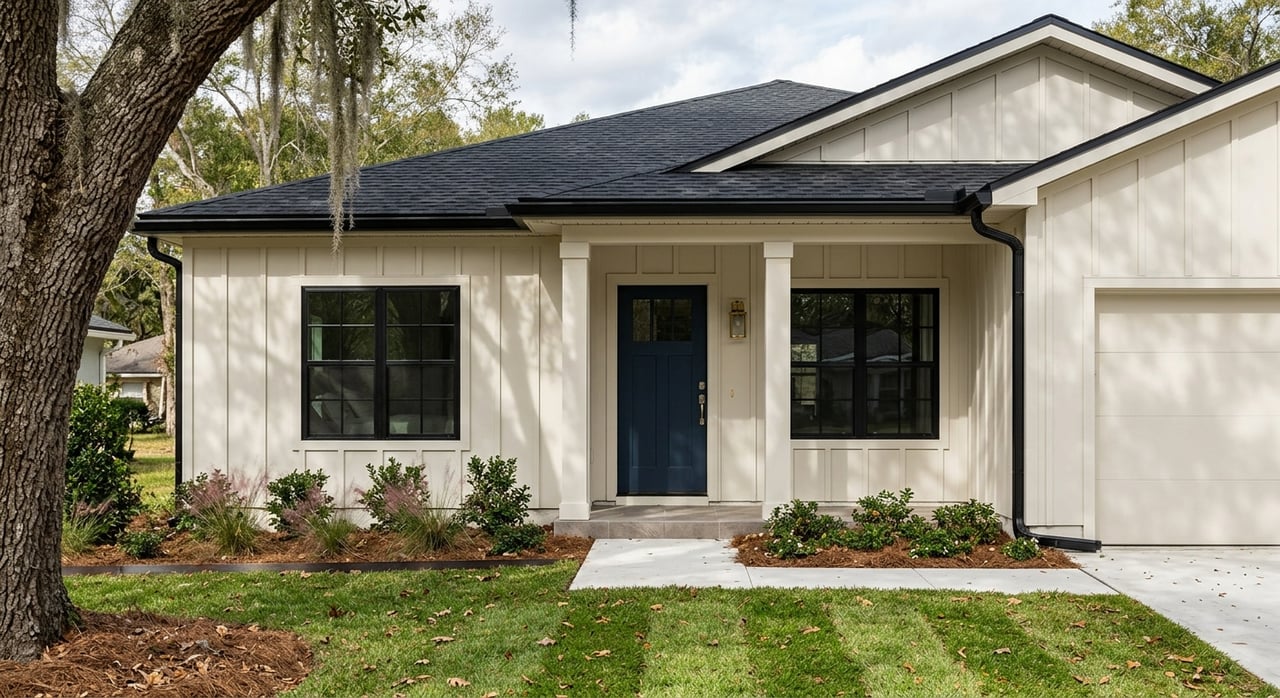
Shopping new construction in North Central Florida can feel simple at first glance. You tour a model, pick a floor plan, and imagine an easy path to closing. But once you start comparing builders, upgrades, HOA documents, deposits, and timelines, the details matter fast. If you want to shop smart in the Gainesville, Alachua, Newberry, and Tioga corridor, this guide will help you ask better questions, compare options clearly, and move forward with more confidence. Let’s dive in.
What new construction looks like locally
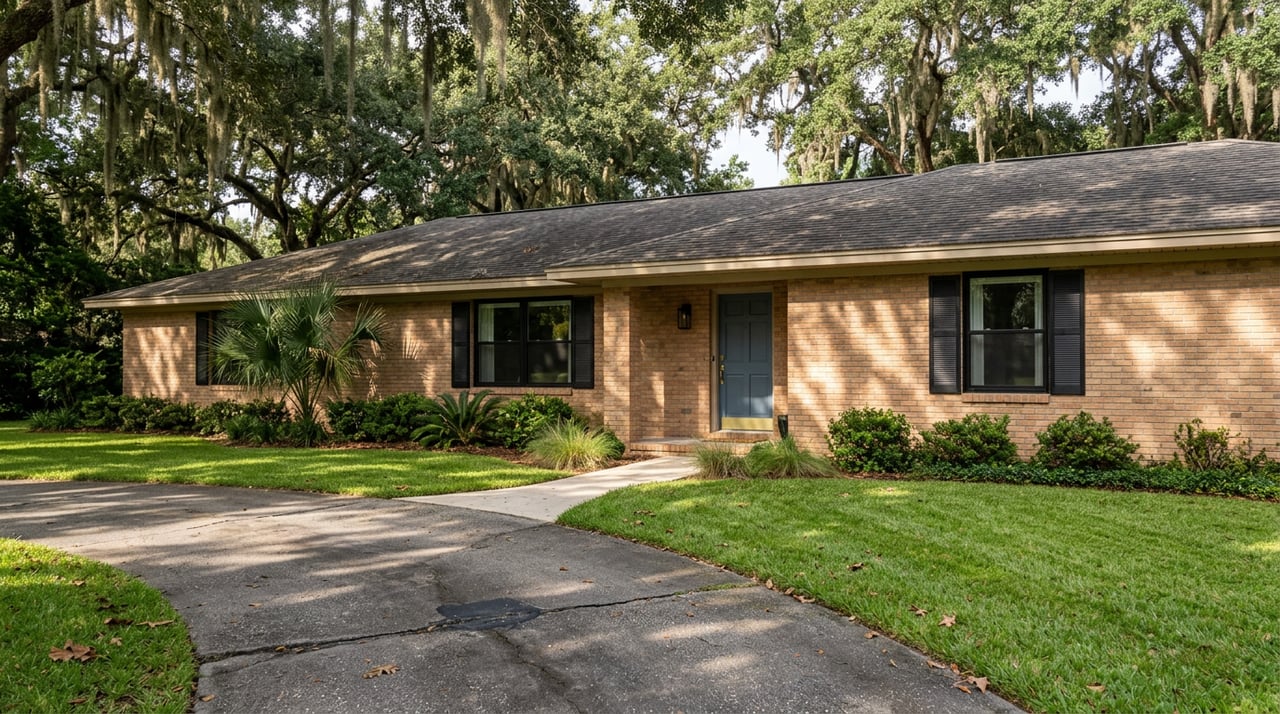
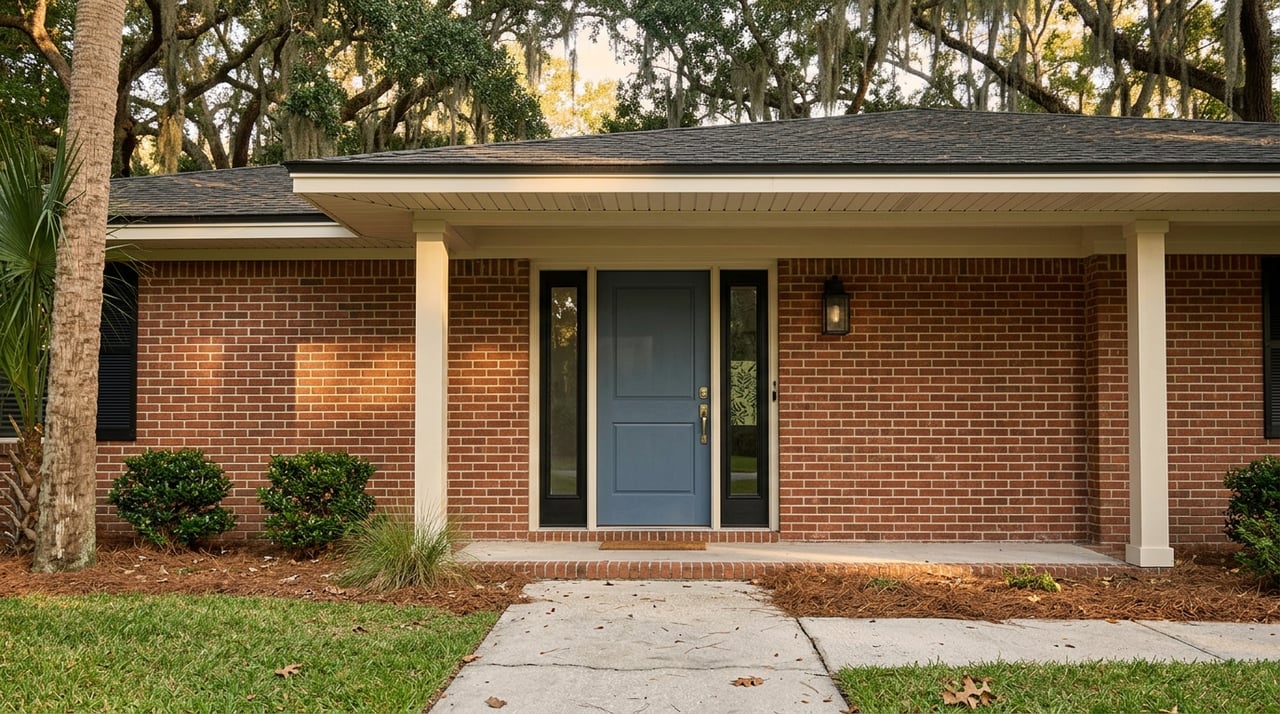
In North Central Florida, new construction is not one-size-fits-all. Around Gainesville, Alachua, Newberry, and Tioga, you will find a mix of townhomes, production single-family communities, and custom-home opportunities.
For example, Lennar’s Tara Serena offers a 3-bedroom, 2.5-bath townhome plan at 1,763 square feet, with both move-in-ready and under-construction inventory. In nearby communities, builder pages from D.R. Horton highlight one- and two-story homes with open-concept layouts and features like quartz counters, stainless appliances, and smart-home systems.
If you are looking for more lot flexibility and a less standardized product, Tioga stands out. The Town of Tioga community site highlights amenities such as a pool, clubhouse, athletic courts, trails, garden plots, a turtle pond, farmers-market events, and nearby shops and restaurants.
Compare home types first
Before you focus on countertops or paint colors, compare the type of home that fits your life best. In this market, one of your first decisions may be whether a townhome, production single-family home, or custom build makes the most sense.
A townhome may offer a lower-maintenance option and a more streamlined selection process. A single-family home may give you more separation and yard space. A custom build may offer more flexibility, but it can also require more decisions and a longer planning process.
Townhome vs single-family
Start by looking at how you want to live day to day. Think about layout, storage, outdoor space, and whether shared walls or attached living are a fit for your comfort level.
Then compare the ownership costs tied to each option. HOA dues, maintenance responsibilities, and included amenities can shape the real monthly cost just as much as the base price.
Production vs custom
Production builders usually offer a set menu of plans, features, and upgrades. That can make pricing and timelines more predictable, especially if you are buying from available inventory or an under-construction home.
Custom builders often provide greater flexibility on layout and finishes. In this area, builders serving Tioga-style buyers tend to market larger lots and more plan options rather than a single standardized package.
Compare floor plans carefully
A smart new-construction search starts with how the home functions, not just how it looks online. Across this region, you will see one-story and two-story homes, open-concept living areas, townhome plans, and flex or bonus rooms.
That range is wide. Local examples in the research span from a 1,763-square-foot townhome plan in Tara Serena to custom-style Tioga floor plans like the Camara 3299 and Camara 3500, which run from 3,299 to 3,500 square feet.
One-story vs two-story
A one-story layout can make daily living simpler and may work well if you want all main living spaces on one level. A two-story plan may offer more separation between living and sleeping areas and can sometimes fit more space on a smaller lot.
The best choice depends on how you use your home now and how long you plan to stay. Think beyond the model-home staging and picture your actual routine.
Flex rooms and bonus space
Many builders market flex rooms, studies, lofts, or bonus rooms as major selling points. These spaces can be useful, but they are only valuable if they fit your lifestyle.
Ask yourself whether you need a home office, hobby room, guest space, or second living area. It is easier to shop smart when you know which spaces are must-haves and which are just nice extras.
Look past the model-home finishes
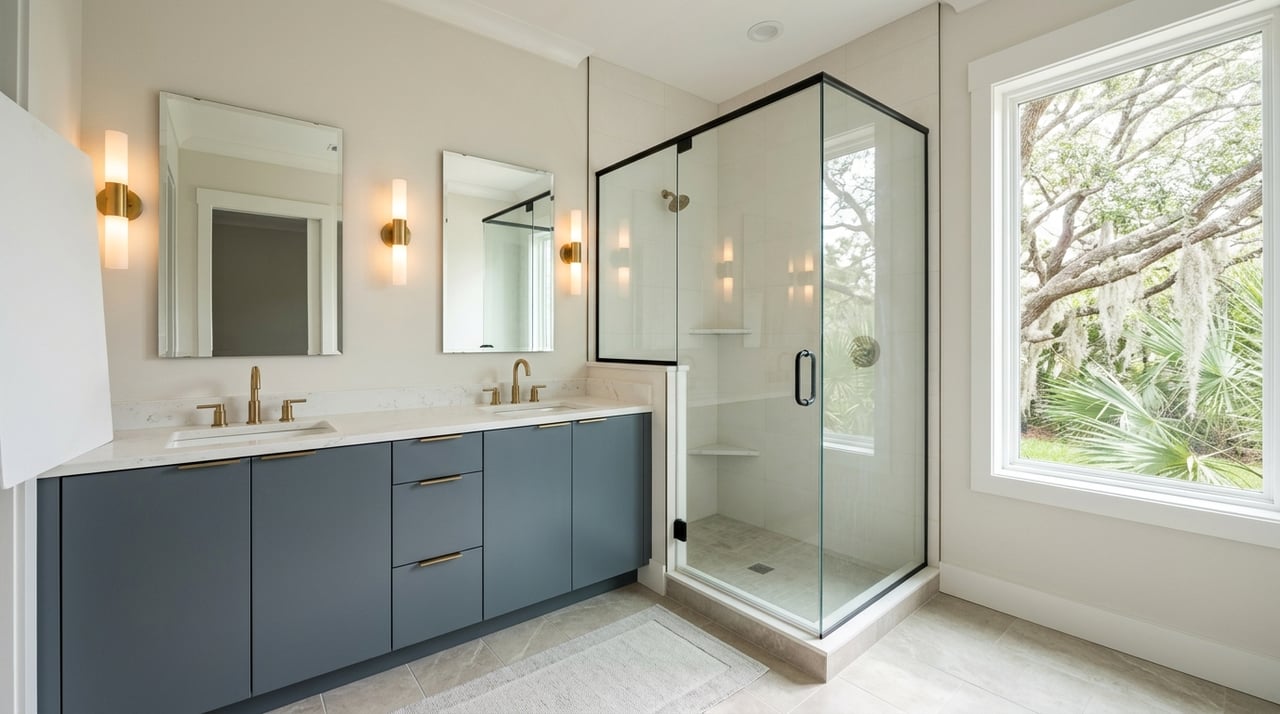
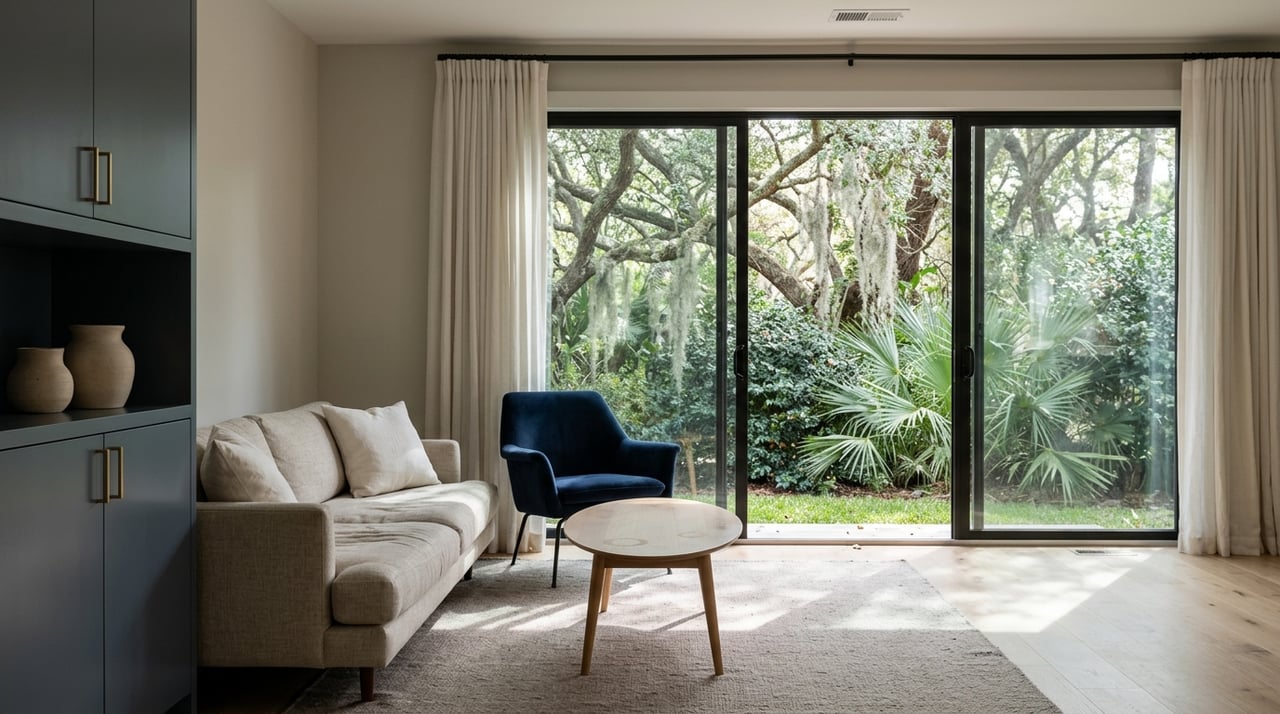
Builder marketing often emphasizes beautiful kitchens and polished finishes. In this market, standard features may include quartz counters, stainless appliances, smart-home systems, and upgraded tile, depending on the builder and community.
That said, the smartest question is not “Does this look nice?” It is “What is included at the advertised price, and what costs extra?”
Standard vs optional upgrades
This is where buyers can get surprised. A model may show premium finishes, but your base price may not include all of them.
Ask for a clear breakdown of standard features versus paid upgrades. According to D.R. Horton community pages such as Oaks Preserve in Gainesville, finish packages can vary by community, so side-by-side comparison matters.
Understand the community amenities
A home is only part of what you are buying. In a planned community, the amenity package and HOA structure affect both your lifestyle and your monthly costs.
Tioga is a strong local example of a master-planned amenity community. Its official site lists a pool, clubhouse, athletic courts, trails, garden plots, community events, and nearby retail and dining.
Ask what HOA dues cover
Do not assume amenities tell the whole story. Ask exactly what the HOA dues cover and what they do not.
You should also ask whether reserve accounts are fully funded and whether special assessments are possible. This is especially important in earlier-stage communities where developer control may still be in place.
Review the documents before closing
Florida law gives buyers important HOA disclosure protections. Under Florida’s HOA statute, prospective purchasers must receive a disclosure summary before signing, and the contract can be voidable if that disclosure summary was not provided, according to Florida Statute 720.401.
Associations also maintain official records, including plans, permits, warranties, insurance policies, and contracts. Under Florida Statute 720.303, owners have inspection and copying rights, and associations must produce annual financial reports.
Know your timeline and deposit terms
Not every new-construction home is at the same stage. Some homes are move-in ready, some are under construction, and others are still to-be-built.
That distinction matters because your timeline, deposit risk, and level of finish choice may change depending on where the home is in the process. A move-in-ready home may offer speed and certainty, while a to-be-built home may offer more personalization.
Ask when your deposit is refundable
The Consumer Financial Protection Bureau says builders may ask for an upfront deposit or earnest money on homes that are not yet built. Just as important, you should ask under what conditions that deposit can be returned.
Do not leave this as a verbal conversation. Make sure refund terms, build timelines, and key deadlines are clearly documented in writing.
You do not have to use the builder’s lender
If a builder offers financing incentives, take time to compare the full cost, not just the headline perk. The CFPB also states that you do not have to use the builder’s affiliated lender.
That gives you room to compare rates, fees, and loan structures. A strong deal is about total cost and fit, not just convenience.
Inspections still matter on a new home
One of the most common mistakes buyers make is assuming a brand-new home does not need an inspection. New does not mean perfect.
Both HUD and the CFPB advise buyers to schedule a home inspection, attend if possible, and use a satisfactory-inspection contingency if they want the option to renegotiate or cancel. You can review that guidance on the CFPB’s home inspection page.
Why inspections help
An independent inspection gives you another set of eyes on workmanship, systems, and installation quality. It can also help you create a punch-list mindset before closing instead of discovering issues after move-in.
Even when a builder has its own quality-control process, your inspector works for you. That independent perspective is part of shopping smart.
Understand builder warranties
New-construction buyers should always ask what warranty applies, what is excluded, and how claims must be filed. In Florida, there is a mandatory builder warranty law that requires a builder to warrant a newly constructed home for defects in equipment, material, or workmanship that materially violate the Florida Building Code for 1 year after original conveyance or initial occupancy, whichever comes first.
That requirement appears in Florida law, Chapter 553. The law also allows longer express warranties if they are at least as broad, and coverage continues for that full year even if the home is resold during the period.
Read the exact warranty terms
Builder warranties are not all the same. FTC guidance notes that many new-home warranties may cover workmanship and materials for one year, systems for two years, and major structural defects for up to 10 years, but the exact terms depend on the builder.
Ask whether the warranty is transferable, how to submit claims, and whether disputes go through mediation or arbitration. Filing instructions matter, and written claims are often required.
A smart buyer checklist
When you tour new construction in North Central Florida, bring these questions with you:
- What features are standard, and what costs extra?
- Is the home move-in ready, under construction, or to-be-built?
- What deposit is required, and when is it refundable?
- What is the estimated completion and closing timeline?
- What warranty applies, and what is excluded?
- What do HOA dues cover?
- Are reserve accounts fully funded?
- Can you review the HOA budget, financial report, governing documents, and recent meeting minutes before closing?
- Are there planned special assessments or developer-controlled approvals?
- Is there any requirement to use the builder’s lender or closing company?
Why side-by-side comparison matters
Builders often package pricing, features, lender incentives, warranties, and HOA terms in very different ways. That can make two homes with similar list prices feel comparable when they really are not.
The smartest approach is to compare communities line by line. When you break down the true cost, included features, document requirements, and timeline risk, you can make a much clearer decision.
If you want help comparing new-construction options around Gainesville, Newberry, Alachua, or Tioga, KC Harder can help you sort through the details, ask the right questions, and find the right fit for your move.
FAQs
What should you compare when shopping new construction in North Central Florida?
- You should compare home type, floor plan, included finishes, upgrade costs, HOA dues, amenity packages, warranty terms, deposit rules, and estimated completion timeline.
Do you need a home inspection on a new construction home in Gainesville-area communities?
- Yes. The CFPB advises buyers to schedule an independent home inspection and attend if possible, even when the home is newly built.
Can a builder require you to use its lender for a new construction purchase?
- No. The CFPB says you do not have to use the builder’s affiliated lender, even if the builder promotes financing incentives.
What does Florida law say about HOA disclosures before closing on a new construction home?
- Florida law requires that prospective buyers receive an HOA disclosure summary before executing the contract, and the contract may be voidable if that summary was not provided.
How long is the builder warranty for a newly constructed home in Florida?
- Florida law requires a 1-year warranty for certain defects in equipment, material, or workmanship that materially violate the Florida Building Code, and some builders may offer broader or longer express warranty coverage.
What questions should you ask about a new construction deposit in North Central Florida?
- You should ask how much is required upfront, whether it is refundable, under what conditions it can be returned, and how the terms are written into the contract.