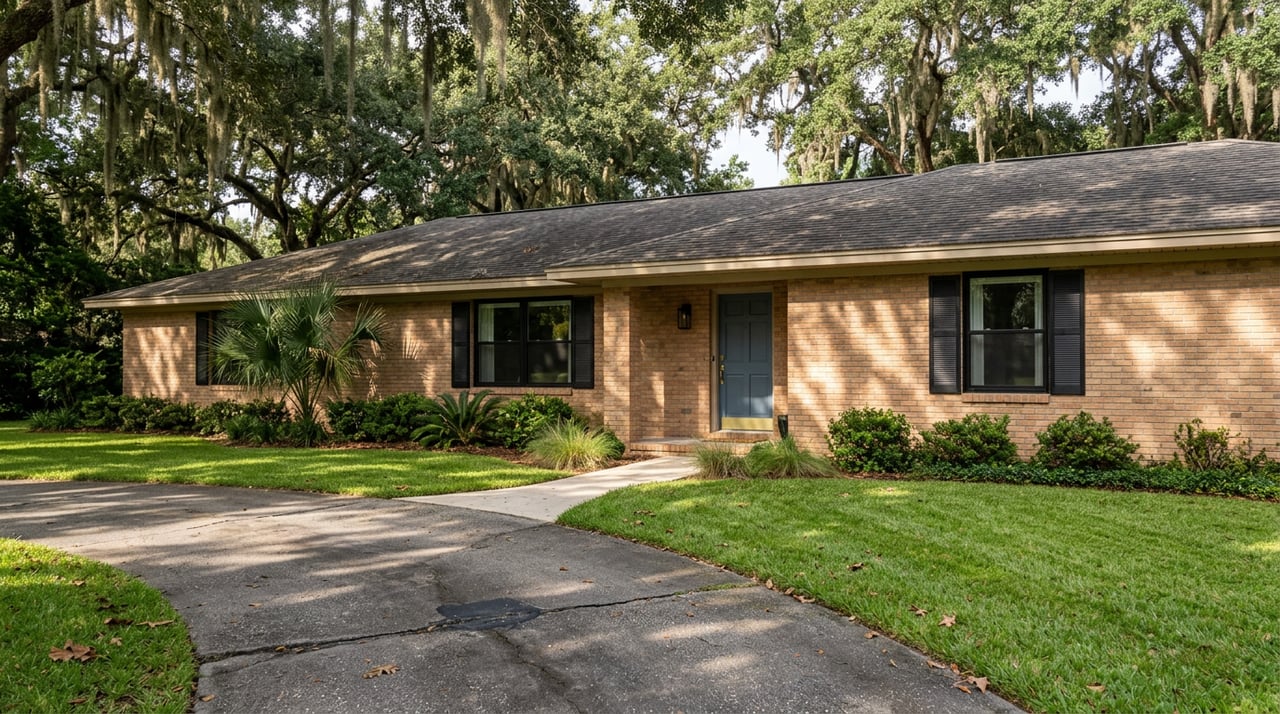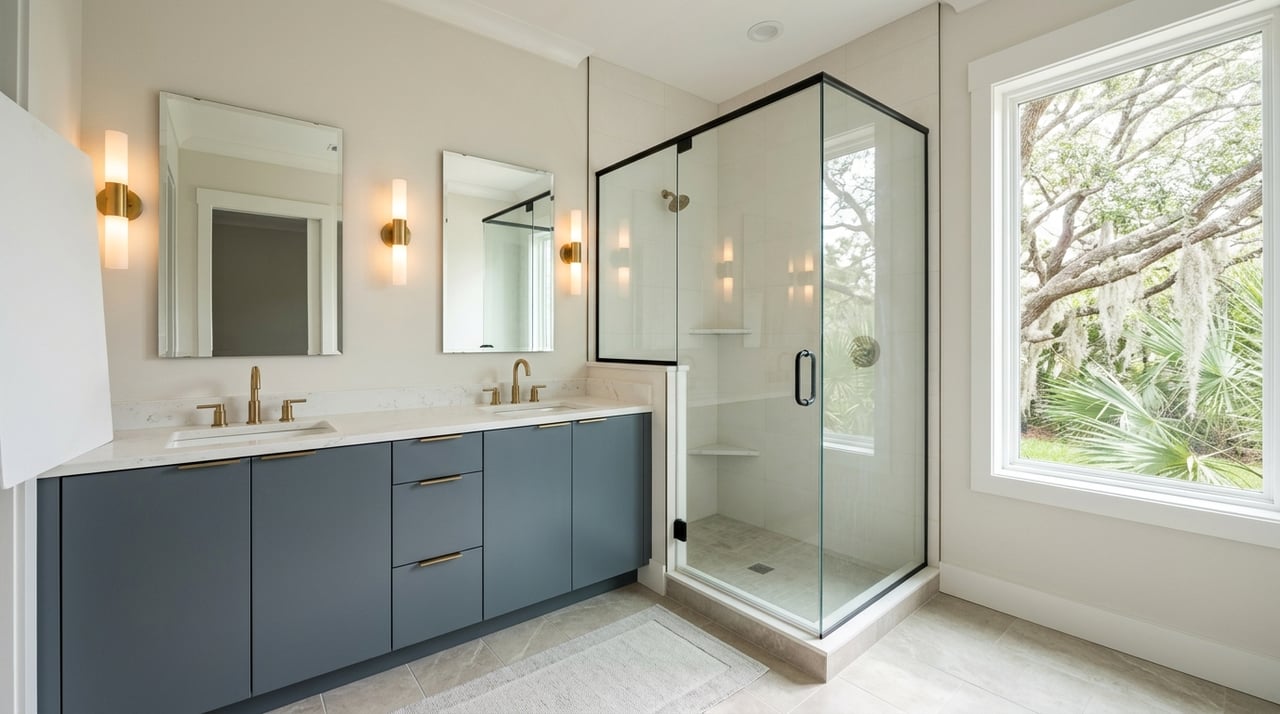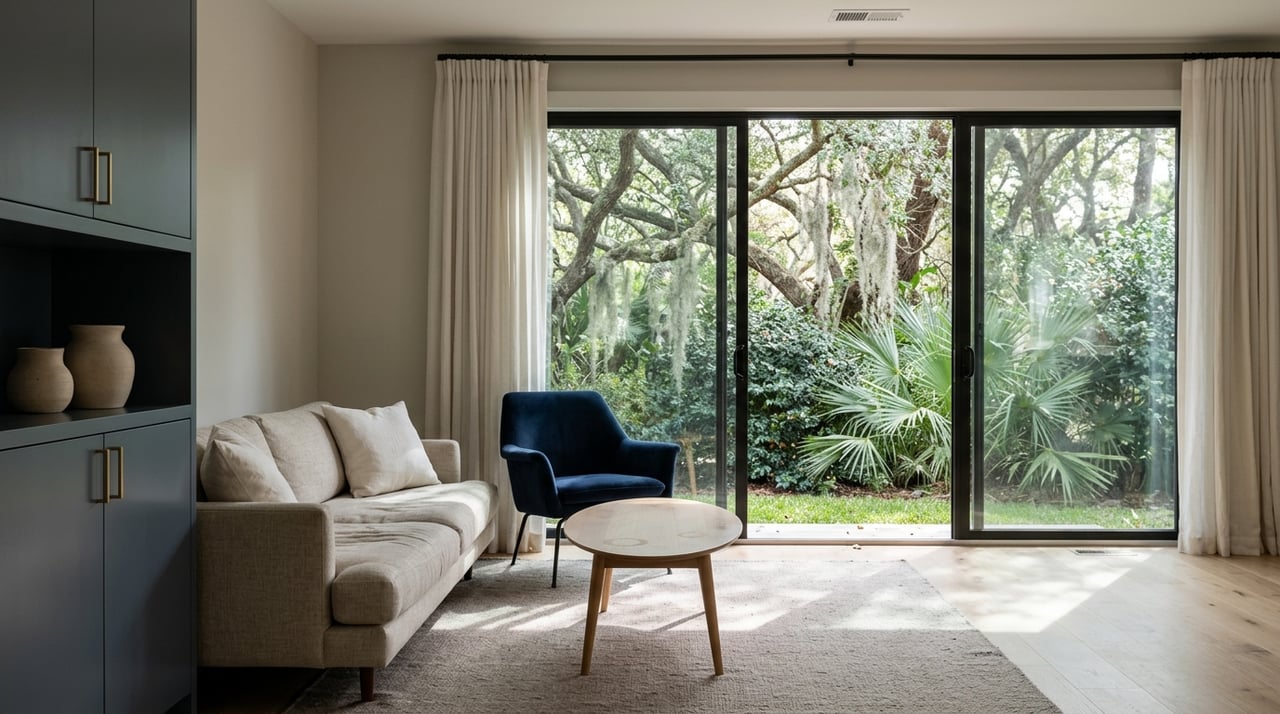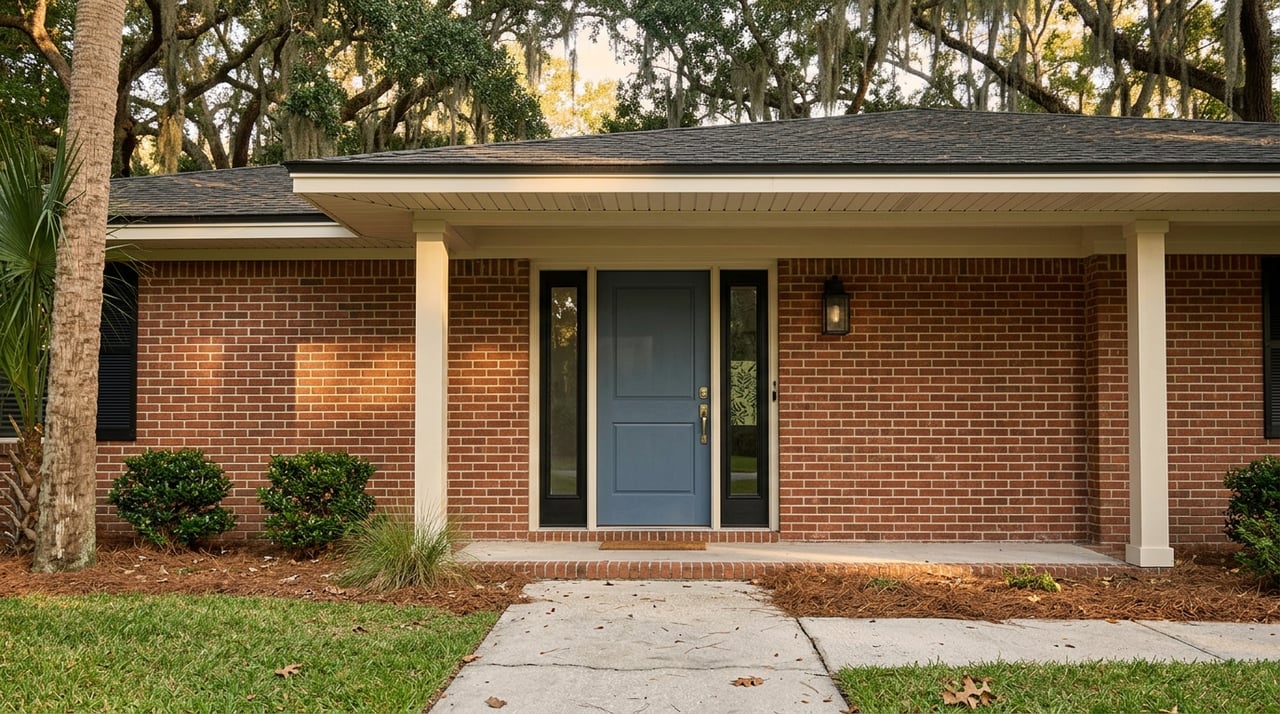
Thinking about your next chapter and wondering if a Gainesville 55+ community fits your lifestyle and budget? You are not alone. With several community types, different contract models, and plenty to do around town, the choices can feel exciting and a bit complex. In this guide, you will compare local options, understand homes and fees, and learn what to look for on tours so you can decide with confidence. Let’s dive in.
Why Gainesville works for 55+
Gainesville offers a balanced lifestyle with strong healthcare, a year‑round cultural scene, and access to parks and trails. It is a university town with a median age around 32, so you get a diverse, full‑service city rather than a retiree‑only enclave. That mix can mean fewer large, uniform 55+ subdivisions than pure retirement metros, but it also brings top medical resources, learning opportunities, and a fresh social calendar.
You will also find that Gainesville’s location puts you within relatively short drives to both Atlantic and Gulf beaches. If you like variety, you can choose between age‑restricted neighborhoods, mixed‑use villages with senior appeal, or campuses that include on‑site care.
Community types you will find
Life Plan campuses (CCRC)
Life Plan communities offer independent living along with assisted living and skilled nursing on one campus. Locally, Oak Hammock at the University of Florida is a well‑known example, with university ties for learning and health partnerships. Expect an entrance fee plus monthly fees, with contract options that define care and refund terms.
Rental senior campuses with on‑site care
These focus on maintenance‑free living and a single monthly payment model. The Village at Gainesville’s amenities include fitness, dining, clubs, and on‑site assisted living and memory support. There is no large entrance fee, and you add care services as needed.
HOA 55+ subdivisions
Age‑restricted neighborhoods like Turkey Creek Forest are owned homes with an HOA that maintains shared amenities such as a clubhouse, pool, and courts. You buy a home through a standard real estate purchase and pay monthly dues. Resale inventory sets supply and can vary through the year.
Age‑restricted manufactured or mobile‑home parks
These can be the most budget‑friendly age‑restricted option. Communities like Brittany Estates typically offer a clubhouse, activities, and defined park rules. Be sure you understand lot lease terms, ownership structure, and how age rules are enforced.
Mixed‑use, all‑ages areas with senior appeal
Walkable master‑planned areas such as Haile Plantation and the Tioga corridor draw many retirees without formal age rules. You will find maintenance‑friendly homes, clinics, and retail nearby. If you want flexibility and a broader neighborhood mix, this path can work well.
Homes and contracts explained
Home types at a glance
- Independent cottages or villas
- Garden apartments or tower residences
- Single‑family or attached homes in HOA neighborhoods
- Manufactured homes in age‑restricted parks
Contract models to compare
- Life Plan (CCRC): Usually a one‑time entrance fee plus a monthly fee in exchange for priority access to on‑campus care. Refund schedules and what care is included vary by contract. Review the Oak Hammock CCRC FAQ to see common structures and questions to ask.
- Rental senior campus: One monthly fee covers housing and amenities, with optional care services billed as needed. This lowers upfront costs but means care is typically paid at market rates.
- HOA 55+ subdivision: You purchase a home and pay HOA dues for amenities and upkeep. There is no bundled care. If needs change, you transition to local care providers.
- Manufactured/mobile‑home park: Know the lot lease, rule enforcement, and governance. These details affect your monthly costs and resale.
Quick contract review tip
Ask for the full disclosure packet, a sample contract, and the most recent audited financials. Confirm what is included in monthly fees, how increases are set, and refund or transfer rules. Consider having an elder‑care attorney or financial advisor review Life Plan or long‑term care contracts before you sign.
Amenities and daily life
On‑campus perks
Most Gainesville 55+ settings offer social clubs, wellness centers, pools, walking paths, arts programs, and hosted events. Many also feature dining venues, scheduled transportation, and security. You can browse a typical list on The Village at Gainesville amenities page.
Beyond the gates
Gainesville’s college‑town calendar brings performances, museum exhibits, lectures, and festivals throughout the year. Check the Visit Gainesville event calendar to get a feel for what is happening week by week. Many residents also volunteer across campus and city programs.
Getting around and travel
Senior campuses often run shuttles for groceries, appointments, and local outings. See how a typical schedule works in The Village’s Vitality Program overview. For longer trips, Gainesville Regional Airport (GNV) offers regional connections, and you can reach larger hubs by car when needed.
Healthcare access near 55+ communities
Access to specialists is a major Gainesville strength. UF Health anchors the market and offers geriatric programs and specialty clinics. Explore the scope of services through the UF Health geriatrics program. HCA Florida North Florida Hospital provides another large acute‑care option.
Some communities have on‑site clinics or partner with local providers for primary care and follow‑up. Ask about medication management, preferred hospital networks, and whether routine visits can be scheduled on campus. These details can reduce travel time and improve continuity of care.
Costs, taxes, and rules that matter
Property taxes and exemptions
Florida’s homestead exemption and county‑level senior exemptions can lower your annual taxes if the home is your primary residence. Alachua County publishes guidance and deadlines, with applications typically due by March 1. Review the Alachua County Property Appraiser’s exemptions overview and confirm any income limits that may apply.
Age‑restriction compliance
Many 55+ neighborhoods rely on the federal Housing for Older Persons Act. For most 55+ communities, at least 80% of occupied homes must have one resident age 55 or older, and the community must show clear policies and age‑verification procedures. You can read a summary in the Congressional report on HOPA.
HOAs, assessments, and reserves
In HOA and some rental settings, monthly fees fund landscaping, amenities, common‑area maintenance, and sometimes utilities. Ask for the budget, reserve study, recent special assessments, and board meeting minutes. Strong reserves and transparent governance help protect your long‑term costs and resale value.
A tour checklist you can use
Bring this list to your visits and ask for written answers.
Contracts and costs
- What contract types are available and can I see a sample?
- What exactly is included in the monthly fee, and what is billed separately?
- How often have monthly fees increased over the last five years?
- If there is an entrance fee, how do refunds work and what is the timeline?
Care and safety
- What medical services are on site or scheduled regularly?
- Who staffs assisted living and memory care, and what are staff‑to‑resident ratios?
- How are emergencies handled and what are typical response times?
- Is transportation to hospitals or clinics included or fee‑based?
Daily life and accessibility
- What clubs, classes, and social events run each week?
- Are pools, fitness, and workshops included, or are they extra?
- Is there scheduled transportation for errands and events, and how often does it run?
Governance and resale
- Who manages the HOA or campus and how are residents represented?
- Can I review recent meeting minutes and the latest reserve study?
- How does the community verify age compliance and handle guest or younger‑spouse situations?
Neighborhood context
- How close are grocery stores, pharmacies, parks, and post offices?
- What is traffic like during the times you would typically drive?
- If you travel, what are the most convenient airport options?
Quick tradeoffs summary
- Life Plan/CCRC: Best if you want predictable access to higher care levels on one campus and are comfortable with an entrance fee plus monthly fees.
- Rental campus: Good fit if you want resort‑style amenities and on‑site care access without a large upfront payment.
- HOA 55+ subdivision: Ideal if you prefer owning a single‑family or attached home with lower monthly fees, knowing care is not bundled.
- Manufactured/mobile‑home park: Strong value if you want a lower purchase price and are comfortable with lot rent, park rules, and governance.
How we can help you move with confidence
Choosing the right Gainesville 55+ setting is part facts and part fit. You deserve a clear process, local insight, and options that match your budget and lifestyle. Our team supports buyers and downsizers with neighborhood guidance, private and virtual tours, and steady communication so you can compare communities side by side.
When you are ready to talk through next steps or schedule tours, reach out to KC Harder. We will listen first, share the right options, and help you make a confident, low‑stress move.
FAQs
What kinds of 55+ communities are in Gainesville, Florida?
- You can choose among a Life Plan campus with on‑site care, large rental senior campuses, HOA 55+ subdivisions, age‑restricted manufactured or mobile‑home parks, and mixed‑use areas with strong senior appeal.
How does Gainesville compare with purpose‑built retirement metros?
- Gainesville trades the scale of retiree‑only amenities for a lower‑cost, diverse university city with strong healthcare, cultural programming, parks, and reasonable drives to both coasts.
What healthcare access will I have near Gainesville 55+ communities?
- You will be close to UF Health’s specialist network and geriatrics programs and HCA Florida North Florida Hospital, with some communities offering on‑site clinics or partnerships; explore UF Health geriatrics for context.
What is HOPA and why does it matter when buying in a 55+ neighborhood?
- HOPA is a federal rule requiring most 55+ communities to have at least 80% of occupied homes with one resident 55 or older and to maintain age‑verification procedures; see the Congressional HOPA summary.
Are there property tax breaks for seniors in Alachua County?
- Florida’s homestead exemption and local senior exemptions can reduce taxes for primary residents; review eligibility and the typical March 1 application deadline on the Alachua County Property Appraiser site.
Do Gainesville senior campuses offer transportation for errands and appointments?
- Many do; check schedules, destinations, and whether rides are included or fee‑based; The Village’s Vitality Program shows how a typical service works.