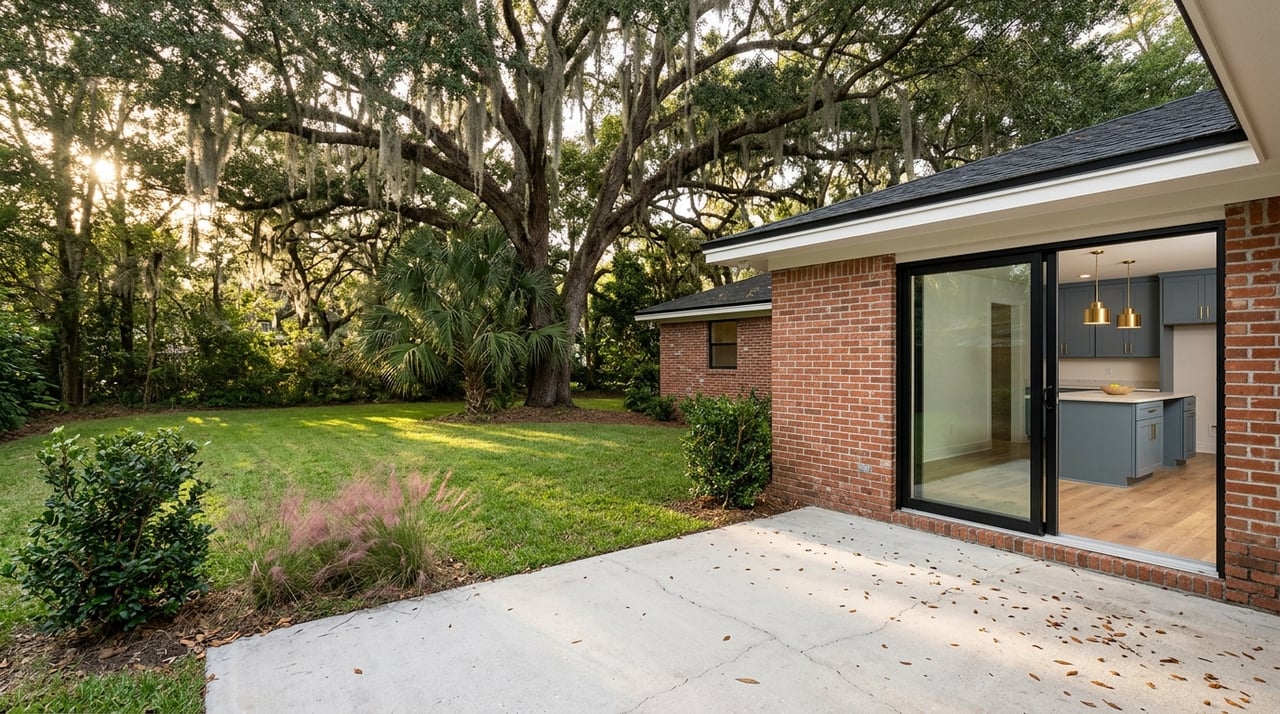
Wondering what kind of home you can actually find in High Springs, and how much land might come with it? That is a smart question, because this market offers more variety than many buyers expect. If you are comparing charm, square footage, outdoor space, or flexibility for future projects, understanding the local housing mix can help you make a better decision. Let’s dive in.
High Springs offers more than one home style
High Springs is not a one-size-fits-all market. Current public listings show a mix of homes for sale and land listings, with a median listing price around $320,000. In practical terms, that usually means you are choosing among historic in-town homes, newer subdivision or new-construction options, and rural or acreage properties.
That range is a big part of High Springs’ appeal. You can look for a home near downtown, a newer layout with modern features, or a property with extra land for hobbies and storage. The right fit depends on how you want to live day to day, not just how many bedrooms you want.
Historic downtown homes in High Springs
If you love character, older homes near downtown may stand out right away. High Springs planning documents emphasize preserving the historic feel of the Downtown Development District, and new construction or renovation in that district requires a certificate of appropriiateness. The city also says downtown architecture should stay compatible with the area’s historic heritage.
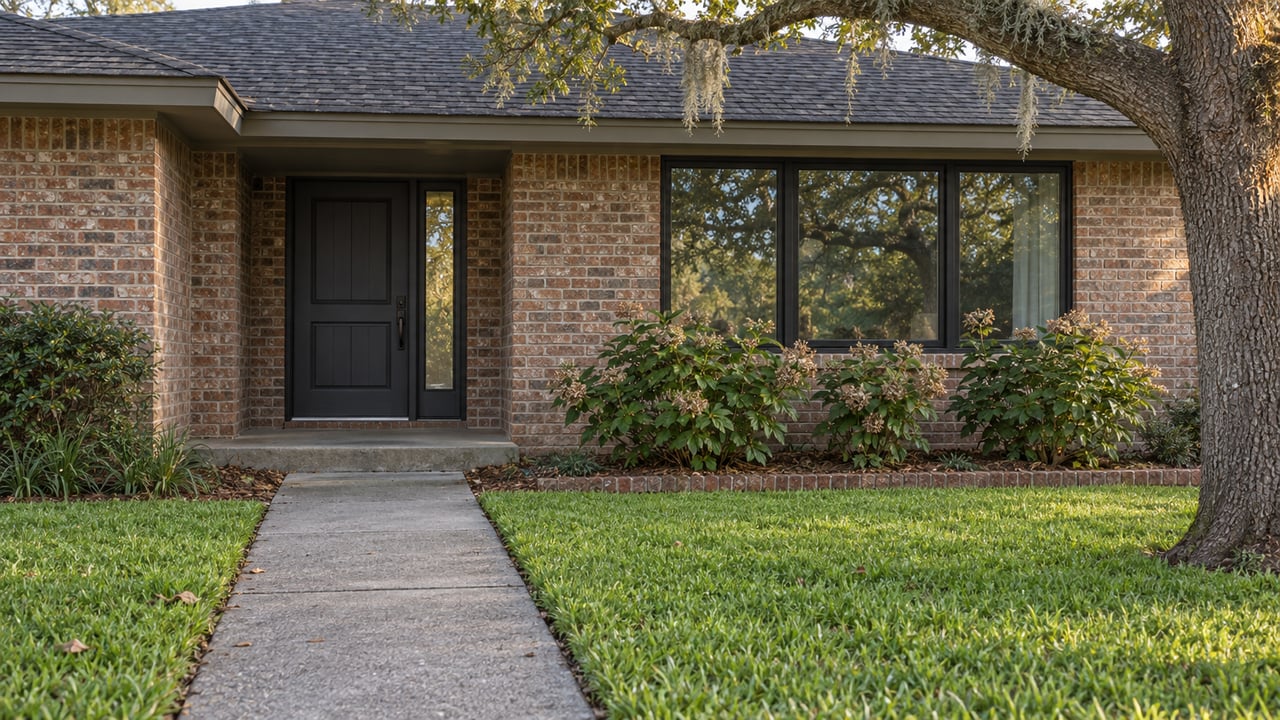
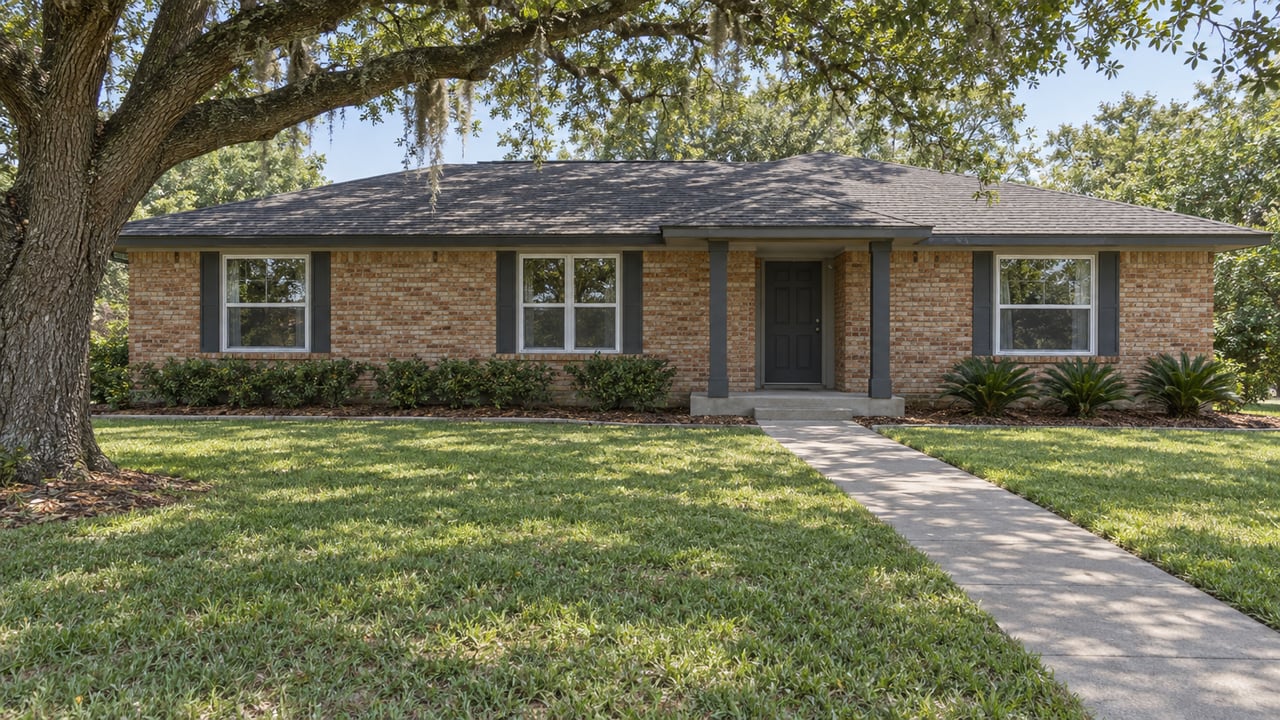
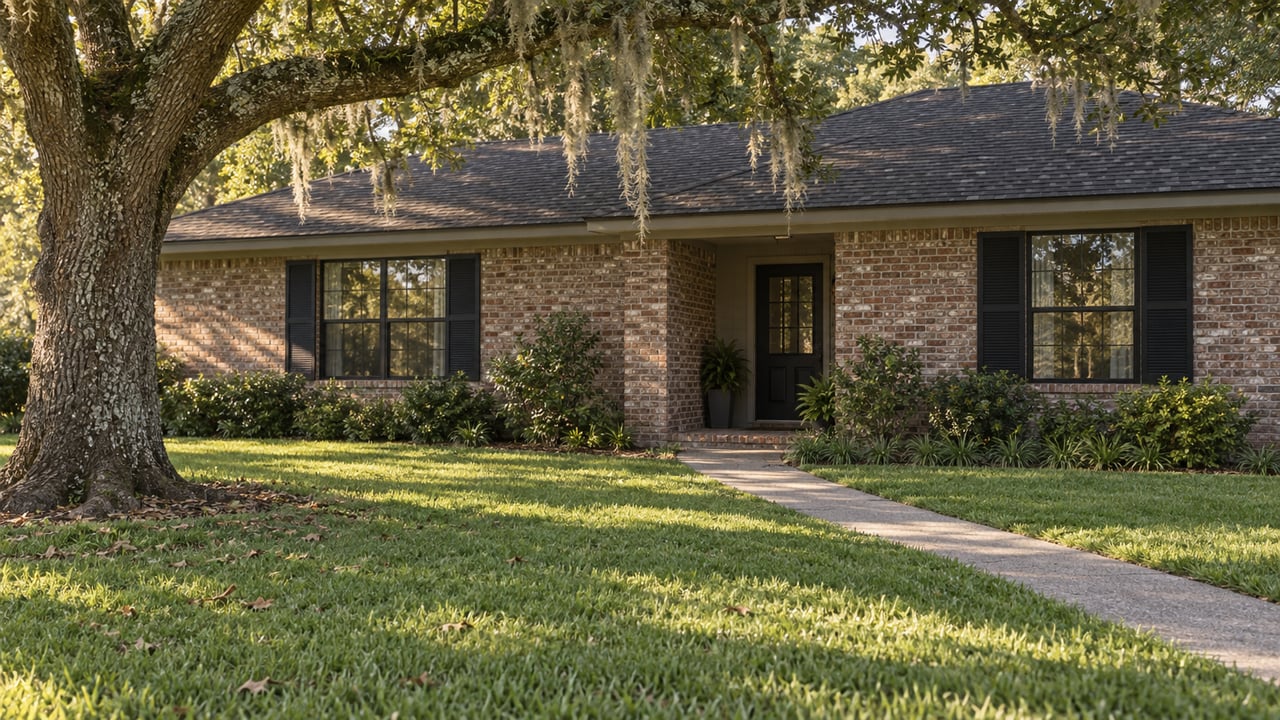
In the current market, this category often includes cottages, bungalows, and older vernacular-style homes. Recent examples include homes from the 1930s and 1950s on lots around one-third to one-half acre. These homes often trade newer layouts for details like original wood floors, front porches, and a location closer to shops and dining.
For many buyers, the draw is a mix of charm and convenience. You may get a modest-to-medium lot that still gives you room for a garden, porch setup, or detached storage. If walkability and historic character matter most, this part of the market deserves a close look.
What to expect with older homes
Older homes can feel warm and distinctive, but they also come with extra details to review. In the downtown district, exterior changes may involve preservation-related review. That makes it especially important to understand what you can update and what approval may be needed.
You will also want to compare the lot itself, not just the house. A historic home may sit on a surprisingly usable lot, but the layout, setbacks, and right-of-way can affect how much outdoor space is truly available. That is important if you plan to add fencing, garden beds, or a shed later.
Newer subdivisions and new construction
If your priority is an updated layout and modern finishes, newer homes in High Springs offer a wide range of choices. Current new-construction listings include plans from about 1,263 to 1,542 square feet in Bridlewood of High Springs, while other new-build examples reach roughly 2,118, 2,353, and even 5,096 square feet. That means the new-build segment can work for both buyers seeking something efficient and buyers wanting a larger footprint.
Newer subdivision and estate-style listings also show a wide spread in lot size. Examples include a 2,472-square-foot home on 1.14 acres in Cinnamon Hills Estates, a 2,809-square-foot home on 2.57 acres in Grand Oaks, and a 2,062-square-foot home on 1.68 acres in Spring Ridge with a detached workshop. In other words, newer does not always mean a small lot.
This section of the market often includes features buyers ask for most. Think attached garages, open family or great rooms, modern kitchens, storage space, pools, and sometimes bonus rooms or in-law space. If you want less updating and more move-in-ready convenience, this is often where your search starts.
Why newer homes appeal to many buyers
Newer homes can simplify your decision-making. The floor plans often reflect how people use space today, with larger main living areas and more storage. That can be especially helpful if you are relocating, buying from out of town, or simply want fewer immediate projects after closing.
You may also find that some newer communities and larger-lot subdivisions offer a balance between comfort inside and usable space outside. If you want room for pets, a small outdoor project, or extra parking without going fully rural, a newer property on a larger lot may be the middle ground.
Acreage and rural properties near High Springs
If land is high on your wish list, rural High Springs inventory may be the best fit. Current examples include homes on 1.86 acres, 5 acres, and other larger parcels. Vacant land listings also show parcels from about 1.2 acres up to 10 acres.
As you move farther from the downtown core, you are more likely to see acreage, detached structures, and less uniform lot shapes. That can create more flexibility for buyers who want a workshop, garden, animals, or long-term storage. It can also change what you need to verify before you buy.
A rural property can offer freedom, but it also calls for a more detailed checklist. Utility setup, lot dimensions, access, and zoning matter more when the land is part of the value. If you are dreaming about outdoor projects, it helps to confirm the rules before you fall in love with the view.
Rural lots can expand your options
Larger parcels often make accessory structures more realistic. High Springs code allows up to two accessory structures on lots of one acre or less and up to three on lots greater than one acre, subject to placement, setbacks, and screening rules near public roads. That can be a meaningful difference if you want a detached garage, storage building, or workshop.
Some buyers also look at larger lots for guest-space flexibility. High Springs allows accessory dwelling units in some residential districts, but there are limits. Only one ADU is allowed per lot, it is not allowed on duplex sites, the property must be owner-occupied, and the ADU is capped at 50 percent of the principal dwelling or 1,000 square feet, whichever is less.
Lot size matters more than you think
In High Springs, lot size is highly zoning-specific. The city code includes both conventional zoning standards and form-based residential standards, with minimum lot sizes ranging from compact in-town options to much larger requirements in other districts. The form-based standards allow minimums as low as 5,500 square feet for single-family homes, 3,500 square feet for zero-lot-line homes, and 3,000 square feet for townhouse lots.
That matters because the deeded lot size does not always tell the full story. Two properties can look similar on paper but offer very different usable outdoor areas. Before you assume you have room for a patio, shed, or fenced garden, confirm what the zoning and survey actually allow.
Right-of-way can shrink usable yard space
One detail many buyers overlook is right-of-way. The city explains that a good rule of thumb is at least ten feet, and many residential lots have 20 feet or more. That means part of what looks like your front yard may not be space you can freely build on.
If landscaping or outdoor improvements matter to you, this is worth checking early. Fences, patios, and planting beds can be affected by right-of-way lines. A survey can help you see what portion of the lot is truly usable for your plans.
Utilities and infrastructure to ask about
Inside town, utility access is often more straightforward. High Springs Public Works maintains water, wastewater, and drainage facilities, and the city utility system includes water, sewer, and garbage service. For many in-town buyers, that can simplify the infrastructure side of the purchase.
Rural parcels often require a different set of questions. The city’s comprehensive plan says on-site sewage disposal is not permitted within the Urban Service Boundary, but it may be allowed outside it when consistent with Florida Department of Environmental Protection rules. County code also notes that some private well and septic situations are allowed only under specific exceptions.
If you are considering a private well, water testing matters too. The Florida Department of Health in Alachua County recommends annual bacteria testing for private wells. That is one more reason rural properties deserve extra due diligence before closing.
RVs, workshops, and hobby space
A large lot does not automatically mean you can use it however you want. If RV storage or temporary RV use matters, the exact zoning is the first thing to verify. High Springs city code says major recreational equipment cannot be used for living, sleeping, or housekeeping on residential or commercial lots, and it may only be parked or stored in a rear or side setback, not in the required front yard.
The code also limits short bona fide houseguest use to 21 days per calendar year. So if your plan includes an RV pad or guest setup, do not assume the lot size alone makes it possible. This is one of those areas where a zoning check can save you time and frustration.
For gardens, greenhouses, sheds, and workshops, the same rule applies. Lot lines, right-of-way, and setbacks shape what you can actually build or place on the property. If outdoor function is part of your goal, make the survey and zoning review part of your buying strategy.
Which High Springs property type fits you best?
The best home style usually comes down to your lifestyle priorities. If you want character and a closer-to-downtown setting, look at cottages and bungalows near the historic core. If you want lower-maintenance finishes and a more current layout, newer homes and new construction may be the strongest match.
If your focus is flexibility outside, larger lots can create more options for detached structures, storage, or future plans. And if you are comparing guest-space possibilities, an ADU may be more realistic than RV use, depending on the property and district. The key is to match the home, lot, and local rules to the way you plan to live.
Buying in a market like High Springs is easier when you look beyond the house itself. Home style, lot shape, zoning, right-of-way, and utility setup all affect how a property works for you over time. If you want help narrowing down which High Springs homes truly fit your goals, connect with KC Harder for local guidance and a clear next step.
FAQs
What kinds of homes are common in High Springs?
- High Springs typically offers a mix of historic downtown homes, newer subdivision or new-construction homes, and rural or acreage properties.
What should buyers know about historic homes in downtown High Springs?
- Buyers should know that homes in the Downtown Development District may be subject to preservation-related review, including certificate of appropriateness requirements for some new construction and renovations.
What lot sizes can buyers find in High Springs?
- Lot sizes vary by zoning district, with some in-town standards allowing smaller single-family lots and other areas offering one-acre-plus or multi-acre properties.
What are accessory structure rules for High Springs properties?
- High Springs allows up to two accessory structures on lots of one acre or less and up to three on lots over one acre, subject to placement, setback, and screening rules.
What utility questions matter for rural High Springs homes?
- Buyers should confirm whether the property uses municipal utilities or private well and septic systems, and they should review any location-specific rules that affect sewage disposal and well use.
Can you store or live in an RV on a High Springs residential lot?
- High Springs code says RVs and other major recreational equipment cannot be used for living, sleeping, or housekeeping on residential or commercial lots, and storage placement rules also apply.